
Family Trauma Triggers After Gatherings in Tampa
When families gather, whether it be for holidays or special occasions, long-standing dynamics can resurface, sometimes leading to emotional distress. In Tampa, many individuals experience heightened stress around family gatherings due to unresolved trauma or past conflicts. These triggers can manifest in various forms, affecting both the body and mind.
Understanding these triggers and their impacts is crucial for managing one's mental health. Family gatherings are not only a time for celebration but can also serve as reminders of past grievances or unresolved issues. In some cases, these events can reignite feelings of anxiety, depression, or anger. Recognizing these responses is the first step toward healing and finding peace.
For those needing guidance, trauma therapy is available to help navigate these complex emotions and past experiences.
The therapists at Christian Counseling of Tampa understand that family-related trauma can be a sensitive and multifaceted issue. They offer compassionate support, helping individuals explore the roots of their trauma and develop coping strategies. By addressing both emotional and spiritual needs, our therapists provide a holistic approach to healing, ensuring that clients feel heard and understood.
Recognizing Common Triggers
Family gatherings can be laden with emotional landmines. Recognizing common triggers is essential for managing your responses. Often, these triggers are deeply embedded in family history and can include certain topics, behaviors, or even specific family members.

Many people find that specific conversations around family roles or expectations can trigger past wounds. For instance, someone who has experienced criticism or rejection from family may feel anxious about discussions on career or personal achievements. Additionally, longstanding family tensions can resurface, especially if there is an unresolved conflict.
Understanding these triggers can help you prepare for gatherings. Consider journaling about your feelings before and after events. This practice can highlight patterns and assist in identifying what specifically sets off emotional reactions. Armed with this knowledge, you can develop strategies to mitigate these triggers, such as setting boundaries or practicing relaxation techniques.
Strategies for Managing Emotional Responses
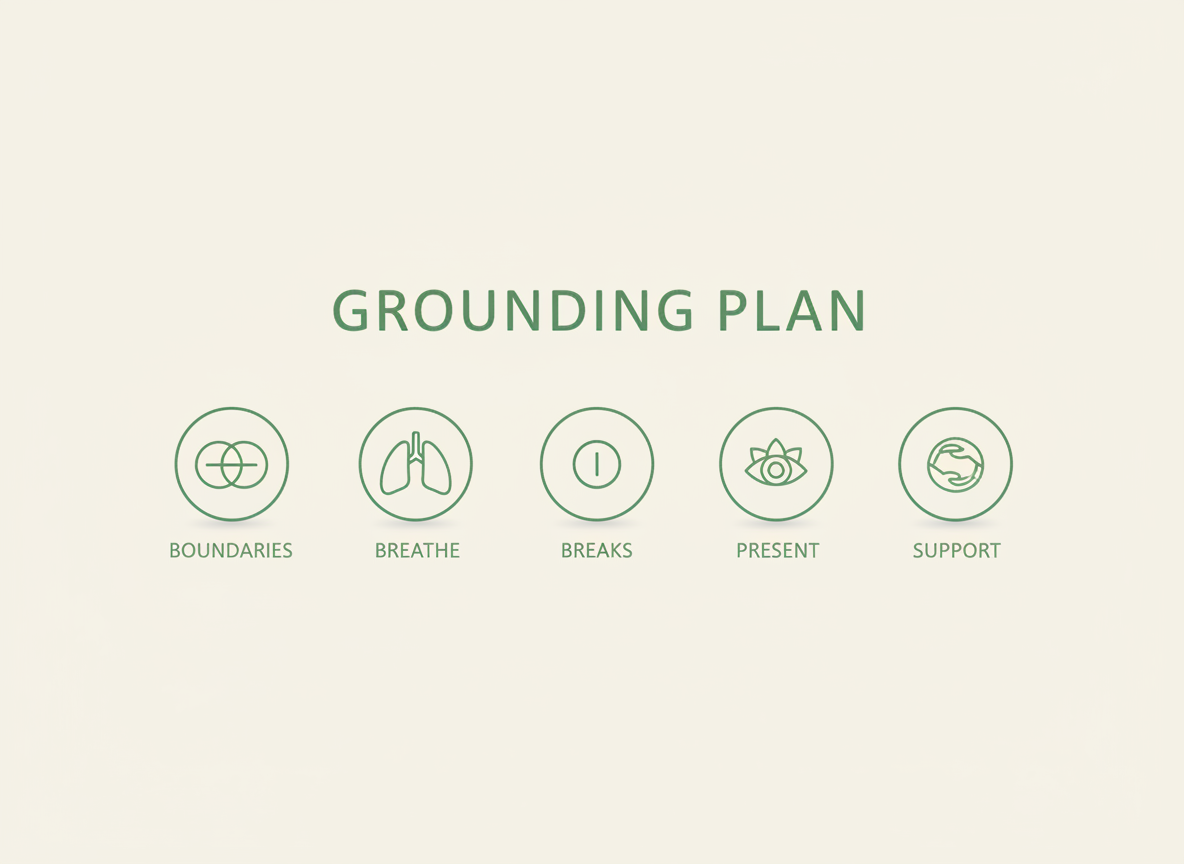
Managing emotional responses during family gatherings is crucial for maintaining mental well-being. While it might seem daunting, having a plan can empower you to handle potential triggers gracefully.
Set Boundaries: Clearly define what topics or behaviors are off-limits for you. Communicate these boundaries to family members if necessary.
Practice Deep Breathing: Implementing breathing techniques can help calm your nervous system during stressful moments.
Take Breaks: If emotions become overwhelming, step outside or find a quiet space to regroup.
Focus on the Present: Mindfulness can anchor you in the moment, reducing the impact of past memories.
Seek Support: Reach out to a trusted friend or therapist before or after gatherings to process your feelings.
These strategies can enable you to navigate gatherings more comfortably, reducing the likelihood of being overwhelmed by emotional responses. Remember, it's okay to prioritize your mental health and take steps that protect your well-being.
The Role of Communication
Effective communication plays a pivotal role in mitigating family trauma triggers. Open dialogues can prevent misunderstandings and foster a supportive environment. However, achieving this requires practice and patience.
Approaching conversations with empathy and openness can help ease tensions. It's important to express your thoughts and feelings without assigning blame. For example, using "I" statements can be a powerful tool. Instead of saying, "You always criticize me," try, "I feel hurt when my efforts are criticized."
Sometimes, facilitating group discussions can help resolve longstanding issues. This can be done with the assistance of a therapist who specializes in family counseling. A professional can guide the conversation, ensuring that all voices are heard and respected. Encouraging open communication fosters a culture of understanding and can significantly reduce the emotional impact of family gatherings.
Professional Support for Healing
While personal strategies are useful, professional support can be invaluable in addressing deeper trauma issues. Therapists trained in trauma and family dynamics offer specialized guidance tailored to your needs.
Engaging in therapy can provide the tools necessary to process past experiences and develop healthier coping mechanisms. Through EMDR therapy, for instance, individuals can work through traumatic memories in a safe, structured environment.
Therapists can also assist families in breaking negative cycles and building healthier relationships. By exploring underlying issues and fostering a space for healing, therapy can transform how family members interact with one another. This professional support ensures that clients are equipped to handle future gatherings with less anxiety and more confidence.
Building Resilience Over Time
Building resilience is a gradual process that empowers individuals to handle future gatherings with greater ease. This involves developing both emotional and practical skills to face challenges.

Start by cultivating self-awareness. Regular reflection on your thoughts and feelings can increase your understanding of personal triggers. Engaging in activities that promote relaxation, such as yoga or meditation, can also strengthen your resilience.
Long-term resilience is bolstered by supportive relationships. Maintaining connections with friends or community groups provides a network of encouragement. Over time, these practices can transform how you approach family gatherings, allowing you to engage more positively despite past challenges.
Accessing Supportive Resources in Tampa
Finding the right support in Tampa is crucial for those dealing with family trauma. Access to local resources can make a significant difference in the healing journey.
Christian Counseling of Tampa provides evidence-based approaches to trauma therapy and other mental health services. Our locations offer both in-person and online sessions, ensuring accessibility for everyone. By working with our skilled therapists, individuals can navigate family dynamics more effectively and begin the path to healing.
If you're ready to take the next step, contact us to request an appointment. Our team is dedicated to helping you find peace and resilience in the face of family trauma. Begin your journey towards healing in Tampa today.
