
Helping Children Build Coping Skills at Home
Helping children build coping skills at home is essential for their emotional and mental development. As parents and caregivers, equipping children with the tools they need to navigate life's challenges can foster resilience and self-confidence. In a world that is constantly changing, helping children understand and manage their emotions is crucial.
Developing coping skills in children begins with creating a supportive environment where they feel safe to express their feelings. Encouraging open communication and validating their emotions can pave the way for healthy coping mechanisms. By integrating different strategies at home, parents can help children learn how to deal with stress, anxiety, and other emotional difficulties.
For some children, professional guidance can further enhance their coping skills. Child therapy is a valuable resource for families looking to support their child's mental health in a structured way. The therapists at Christian Counseling of Tampa specialize in helping young minds develop resilience and emotional strength.

Encouraging Emotional Expression
One of the first steps in teaching children to cope is encouraging them to express their emotions. When children feel comfortable sharing their feelings, it becomes easier for them to process and manage them. Encourage your child to talk about their day and how certain events made them feel. This can be done during family meals or bedtime routines.
Active listening is a crucial component of this process. By paying close attention and responding empathetically, you can validate your child's emotions and show them that their feelings matter. Help them label their emotions by naming them. For example, "You seem upset," or "I see that you're feeling frustrated." This helps children better understand their emotional states.
To further encourage expression, introduce creative outlets such as drawing, journaling, or storytelling. These activities allow children to explore their emotions visually or narratively, providing a non-verbal way to express themselves when words are hard to find.
Teaching Problem-Solving Skills
Developing problem-solving skills is another vital aspect of building coping abilities in children. When children learn to identify challenges and think through solutions, they gain confidence in their ability to handle difficult situations.
Start by discussing simple problems and brainstorming possible solutions together. Encourage your child to think critically and consider the consequences of each option. This can be done through role-playing scenarios or discussing hypothetical situations.
Guide them through the decision-making process by asking open-ended questions like, "What do you think will happen if we try this?" or "How else could we solve this problem?" This approach empowers children to take ownership of their choices and learn from their experiences, building a sense of empowerment and competence.
Developing Healthy Routines
Establishing healthy routines is crucial for helping children feel secure and grounded. Consistent daily schedules provide a sense of stability, which can reduce anxiety and promote emotional well-being.
Begin by setting regular times for meals, homework, and bedtime. This routine helps children understand what to expect each day, making it easier for them to manage their time and responsibilities. Ensure that the routine includes time for relaxation and play, as these activities are vital for emotional health.

Incorporate relaxation techniques such as deep breathing, stretching, or mindfulness exercises, which can be practiced together as a family. These techniques help children learn to calm themselves and manage stress effectively, contributing to a balanced and healthy lifestyle.
Encouraging Positive Self-Talk
Fostering positive self-talk is a powerful strategy for building resilience in children. The way children speak to themselves can greatly influence how they deal with challenges and setbacks.
Help your child develop a positive internal dialogue by modeling it yourself. Use affirmations like, "I can try my best," or "Mistakes help me learn," to encourage a growth mindset. Teach them to replace negative thoughts with positive ones. For example, if they say, "I can't do this," guide them to reframe it as, "I can learn how to do this."
Create a "positivity board" where your child can write or draw affirmations and achievements. Regularly reviewing these positive statements can boost their confidence and remind them of their capabilities, especially during challenging times.
Modeling Coping Strategies
Children learn a great deal from observing the adults around them. By modeling effective coping strategies, parents can provide a powerful example for their children to emulate.
Demonstrate healthy ways of managing stress, such as taking breaks, exercising, or talking about your feelings. Share stories of how you handled difficult situations in the past, highlighting the strategies that helped you overcome challenges.
Encourage family discussions about coping strategies. Ask your child what they noticed about how you deal with stress and what they might do differently. This conversation not only teaches them new skills but also reinforces the idea that coping is a learned and shared experience.
Creating a Supportive Home Environment
A supportive home environment is the foundation for nurturing a child's coping skills. When children feel loved, respected, and understood, they are more likely to develop resilience.
Spend quality time with your child, engaging in activities that they enjoy. This strengthens your bond and provides opportunities for open communication. Encourage family meetings where everyone can share their thoughts and feelings in a safe space.
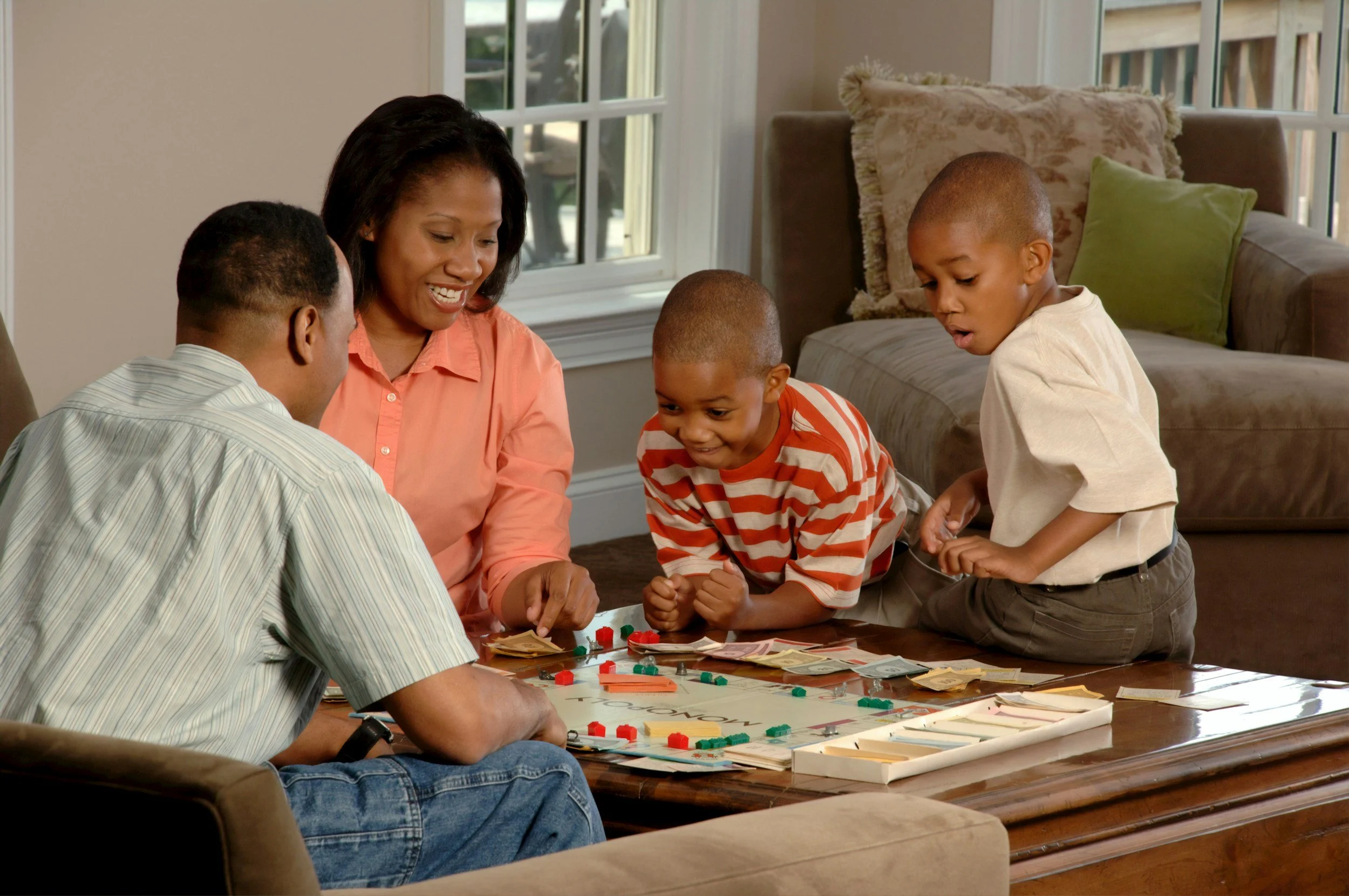
Recognize and celebrate your child's efforts in developing new coping skills. Positive reinforcement boosts their confidence and motivates them to continue practicing these skills. By creating a nurturing environment, you empower your child to face life's challenges with courage and resilience.
Building Resilience with Professional Support in Tampa
Supporting your child's emotional growth at home is a rewarding journey. However, there are times when professional guidance can enhance this process. The counselors at Christian Counseling of Tampa are dedicated to helping children develop strong coping skills through both in-person and online therapy sessions.
Whether you reside in Tampa, FL, or prefer virtual support, our team is here to assist you and your child. We offer services tailored to meet your family's unique needs, including child therapy and specialized counseling approaches.
To begin your child's journey towards resilience, consider reaching out to us.
Request an appointment to explore how our compassionate support can make a difference in your child's life. Embrace the opportunity to equip your child with the tools they need to thrive emotionally.
