
Neurofeedback for ADHD & Focus: A Tampa Parent Guide
When your child struggles with focus, impulsivity, or constant distraction, it can affect school performance, confidence, and daily life at home. Many Tampa parents begin searching for solutions that support attention and self-regulation without immediately turning to medication. One option that continues to gain attention is neurofeedback.
Neurofeedback is a non-invasive, brain-based approach designed to help children with ADHD improve focus, emotional regulation, and behavioral control. By gently training the brain toward healthier patterns, neurofeedback supports long-term change rather than simply managing symptoms.
At Christian Counseling of Tampa, we offer microcurrent neurofeedback as part of a comprehensive approach to ADHD care. In this guide, you’ll learn how neurofeedback works, what sessions look like, and how it may support your child’s academic and personal growth.
Understanding Neurofeedback
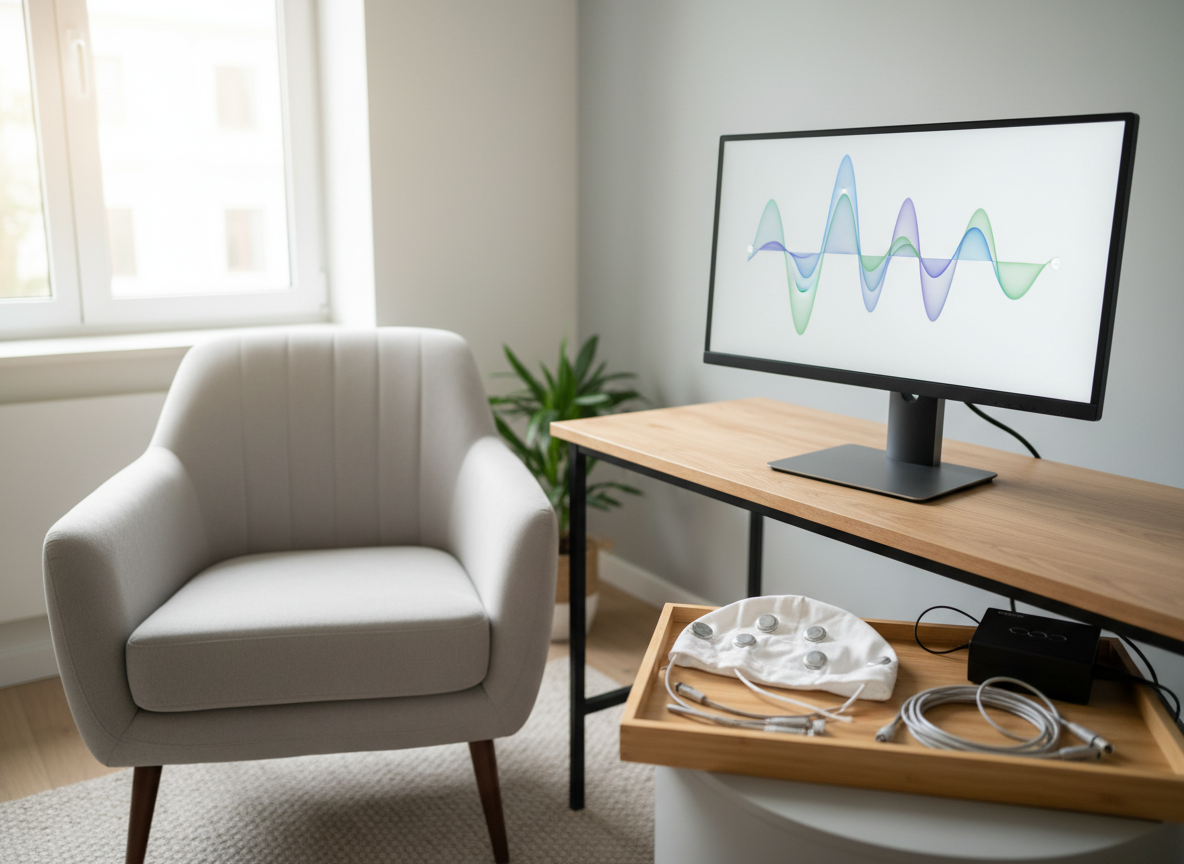
Neurofeedback is a non-invasive therapy that trains the brain to function more efficiently. Using sensors placed on the scalp, neurofeedback monitors brainwave activity and provides immediate feedback to the user. This feedback helps individuals learn to produce more optimal brainwave patterns.
When a child participates in neurofeedback sessions, they engage in exercises that encourage the brain to shift from atypical patterns associated with ADHD to more typical patterns of focus and calmness. This process can greatly enhance a child's ability to concentrate, manage impulsivity, and improve overall behavior.
The key to successful neurofeedback therapy lies in its consistency. Regular sessions help reinforce new brainwave patterns, making them more enduring over time. Many parents notice significant improvements in their child's attention span and behavior after consistent participation in neurofeedback.
Benefits of Neurofeedback for ADHD
Neurofeedback offers several benefits for children with ADHD, making it an attractive option for many families. These benefits include:
Non-Invasive: Neurofeedback does not involve medication or invasive procedures, reducing the risk of side effects.
Improved Focus: By training the brain to produce optimal patterns, children often experience increased attention and concentration.
Behavioral Improvements: Parents often report a reduction in impulsive behaviors and an increase in self-regulation.
Customizable Approach: Therapy can be tailored to each child's specific needs and goals, ensuring a personalized experience.
These benefits make neurofeedback a sought-after option for parents looking to enhance their child's academic and personal life. With patience and commitment, neurofeedback can serve as a powerful tool in managing ADHD symptoms effectively.
How Neurofeedback Sessions Work
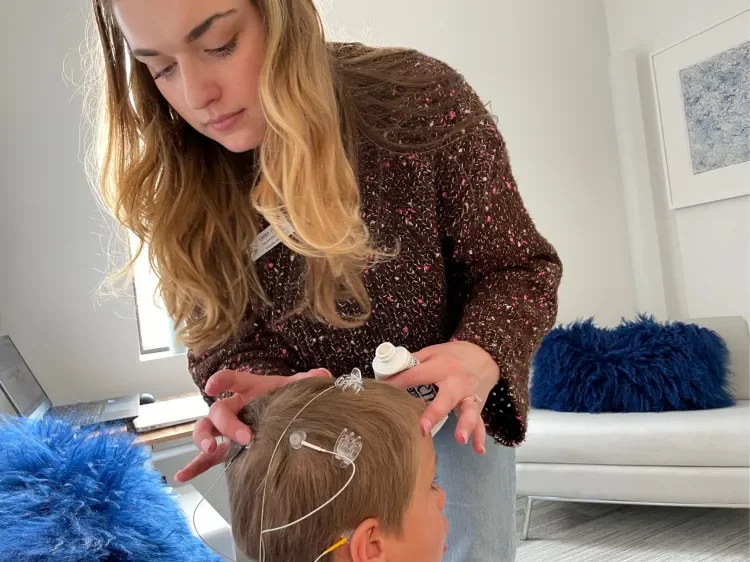
A typical neurofeedback session begins with setting up sensors on the child's scalp to monitor brainwave activity. Once in place, the child engages in activities, often video games or puzzles, that promote desired brainwave patterns.
During the session, the child receives instant feedback through visual or auditory cues, indicating when their brain is functioning optimally. This immediate feedback fosters self-awareness and encourages the child to maintain focus.
Sessions usually last between 30 to 60 minutes. Consistent participation, ideally twice a week, is recommended to see the best results. Over time, children learn to sustain improved brainwave patterns, leading to lasting changes in behavior and attention.
Integrating Neurofeedback with Other Therapies
While neurofeedback can be highly effective on its own, integrating it with other therapies can enhance outcomes. Cognitive Behavioral Therapy (CBT), for example, can complement neurofeedback by addressing thought patterns that contribute to ADHD symptoms.
Combining neurofeedback with traditional therapies allows for a comprehensive approach to managing ADHD. This holistic strategy ensures that both neurological and psychological aspects of ADHD are addressed, leading to more robust and sustainable improvements.
The therapists at our practice are skilled in coordinating care plans that incorporate multiple therapeutic modalities, ensuring your child receives well-rounded support.
Tips for Parents Considering Neurofeedback
For parents interested in neurofeedback, here are some tips to consider:
Research Providers: Ensure the practitioner is certified and experienced in neurofeedback for ADHD.
Set Realistic Expectations: Understand that neurofeedback is a gradual process and requires commitment.
Track Progress: Keep a record of changes and improvements in your child's behavior and focus.
Communicate with Therapists: Maintain open communication with your child's therapist to adjust strategies as needed.
Approaching neurofeedback with informed preparation and ongoing communication can optimize the benefits your child receives from therapy.
Finding Support for Your Child in Tampa
Supporting your child's ADHD journey can be challenging, but help is available. Neurofeedback provides a structured and effective method for addressing attention and focus issues. At our Tampa-based practice, we offer both online and in-person sessions to accommodate your family's needs.
Christian Counseling of Tampa provides evidence-based approaches to support your child's mental health journey. By embracing neurofeedback, parents can equip their children with skills to thrive academically and socially.
If you're considering neurofeedback for your child, contact us to request an appointment today.
Through Christian Counseling of Tampa, families can access compassionate and expert care tailored to their child's unique needs. Begin your child's path to improved focus and attention by reaching out to us in Tampa, FL.
