
EMDR Myths and What Research Actually Shows
Eye Movement Desensitization and Reprocessing (EMDR) therapy is a powerful tool for healing trauma, but misconceptions and myths often cloud its understanding. As individuals seek supportive methods to address their mental health needs, it's crucial to separate fact from fiction.
At Christian Counseling of Tampa, we provide evidence-based approaches to therapy, including EMDR therapy, to help clients make informed decisions about their care.
Understanding the reality of EMDR can empower those seeking healing from trauma, anxiety, and other mental health challenges. This therapy, which incorporates guided eye movements to facilitate processing distressing memories, has gained recognition for its effectiveness. However, myths persist, leading some to question its validity. By exploring these misconceptions and shedding light on what research actually shows, individuals can better engage with this therapeutic option.
In this article, we will debunk common myths about EMDR, highlight the research supporting its use, and provide practical advice for those considering this therapy. Through education and understanding, we aim to help individuals on their journey towards recovery and well-being.
Common Misconceptions About EMDR
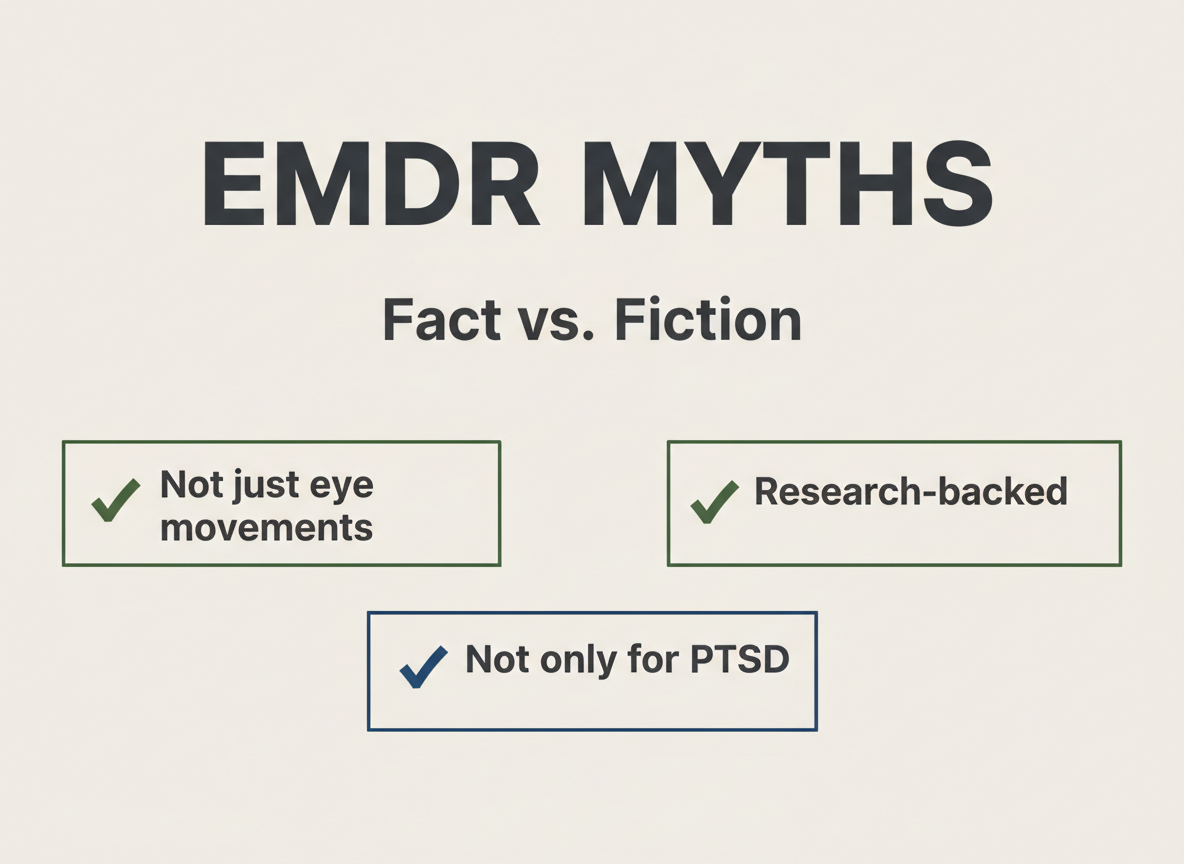
Many myths about EMDR arise from misunderstandings about its methods and outcomes. One prevalent misconception is that EMDR is simply "waving a finger in front of someone's eyes." In reality, the eye movement component is just one part of a comprehensive eight-phase approach. This structured process includes history-taking, preparation, assessment, and more, ensuring clients are fully supported throughout their therapy.
Another myth is the belief that EMDR is only for trauma survivors. While EMDR is highly effective for trauma, it is also beneficial for treating anxiety, depression, and other emotional disturbances. This makes it a versatile therapeutic option for various mental health issues.
Some skeptics doubt EMDR's scientific backing, assuming it lacks evidence. However, numerous studies validate its efficacy, showing significant improvements in symptoms for many clients. Understanding these common misconceptions can help individuals make informed choices about their mental health care.
Evidence Supporting EMDR Therapy
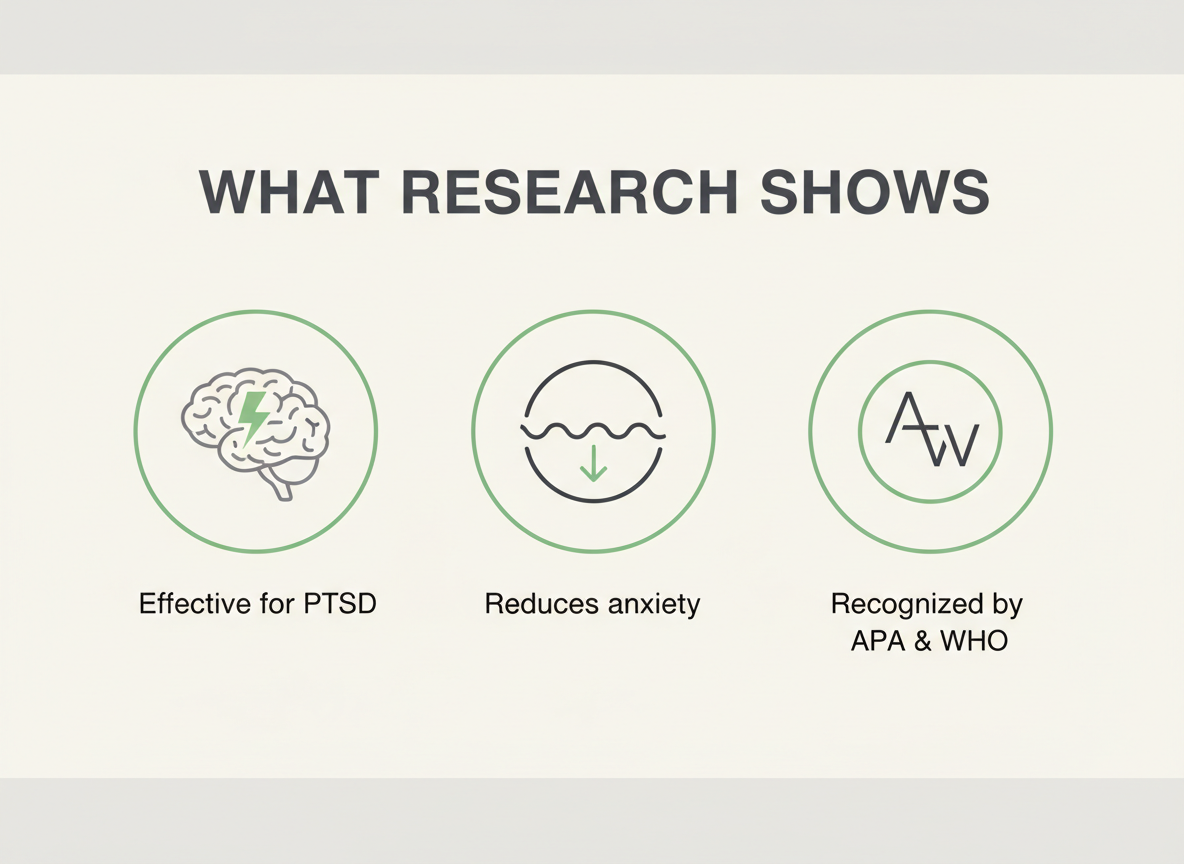
Research has consistently demonstrated the effectiveness of EMDR for various psychological conditions. A wealth of studies highlights its capacity to reduce symptoms of post-traumatic stress disorder (PTSD), anxiety, and depression. For instance, a meta-analysis of EMDR research found that it leads to significant symptom reduction, comparable to other established therapies.
The American Psychological Association and the World Health Organization have recognized EMDR as an effective treatment for PTSD. These endorsements underscore the therapy’s robust evidence base. Moreover, studies have shown that EMDR can produce rapid results, often requiring fewer sessions than other therapeutic methods.
By acknowledging the strong research foundation supporting EMDR, individuals can approach their therapy with confidence. This assurance can enhance their engagement and trust in the process, facilitating more effective healing outcomes.
How EMDR Differs from Other Therapies
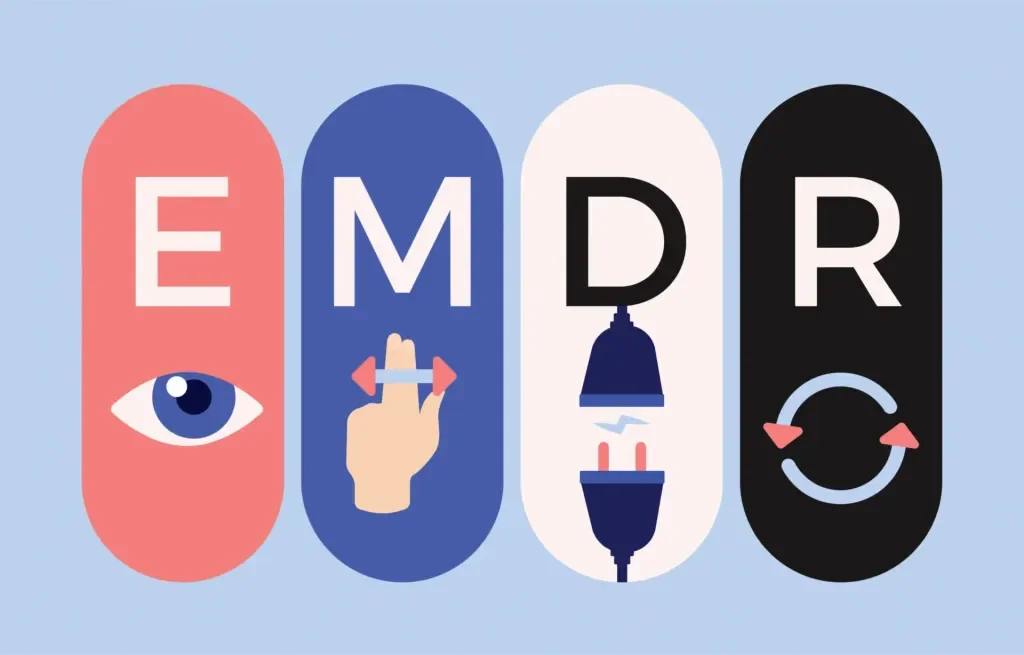
Unlike traditional talk therapy, EMDR employs a unique approach that integrates eye movements into the therapeutic process. This differentiates it from methods like cognitive-behavioral therapy (CBT), which primarily focuses on altering thought patterns and behaviors.
EMDR's distinctive feature lies in its ability to access and reprocess traumatic memories, helping clients desensitize and integrate these experiences. This process allows individuals to move past their trauma without extensively discussing it, which can be a relief for those who find verbal expression challenging.
The integration of eye movements in EMDR also sets it apart, as it aids in the processing of emotional information. This innovative technique has been shown to effectively target and alleviate distress, providing an alternative avenue for healing compared to conventional therapies.
Practical Tips for Considering EMDR
If you're contemplating EMDR therapy, there are several steps you can take to prepare for a successful experience. Firstly, research potential therapists and inquire about their EMDR training and experience. Finding a qualified practitioner ensures you receive competent care tailored to your needs.
Consider discussing your therapy goals and any concerns with your therapist before beginning EMDR sessions. This conversation can help set expectations and prepare you for the process. Additionally, maintaining an open mind and being willing to engage with the therapy can enhance its effectiveness.
Lastly, prioritize self-care alongside your therapy. Incorporating relaxation techniques and healthy lifestyle habits can support your mental health journey and complement the benefits of EMDR.
Frequently Asked Questions About EMDR
To further clarify EMDR, here are some common questions and answers about this therapy:
Is EMDR suitable for children? Yes, EMDR can be adapted for children and has shown success in treating trauma and anxiety in younger populations.
How long does EMDR treatment take? The duration varies depending on individual needs, but many individuals experience improvement within a few sessions.
Does EMDR require recalling traumatic memories? While EMDR involves accessing memories, it does not require detailed verbal discussions, focusing instead on processing through eye movements.
These insights can offer reassurance and understanding for those considering EMDR. Addressing common questions helps demystify the therapy, making it more accessible for prospective clients.
Your Path to Healing with EMDR in Tampa
Exploring EMDR therapy could be your next step in healing, especially if you've faced trauma or ongoing emotional distress. In Tampa, FL, both online and in-person EMDR sessions are available, offering flexibility for your therapeutic journey.
Working with our skilled therapists at Christian Counseling of Tampa allows you to benefit from a proven approach to trauma recovery. For those ready to embark on their path to well-being, consider requesting an appointment. With personalized support and expert guidance, you can navigate the healing process effectively.
Learn more about our locations and begin your journey to recovery by contacting us today.
