
Helping Kids Re-Regulate After Busy or Stressful Seasons
Life with children is a whirlwind of activities, from school events to sports practices and family gatherings. These busy times can overwhelm kids, making it crucial to help them re-regulate afterward. As parents, understanding how to support this process is key to fostering healthy emotional development. By guiding children through stress management techniques, we can ensure they bounce back with resilience.
The therapists at Christian Counseling of Tampa understand the importance of helping children manage their emotions effectively. They offer support through evidence-based strategies tailored to each child's unique needs. By incorporating techniques such as child therapy, parents can actively aid their children's emotional regulation. Learn more about children's therapy and how it can play a role in your child's journey to emotional balance.
This blog will explore various strategies parents can implement to help their children re-regulate after hectic periods. From recognizing signs of stress to establishing calming routines, we aim to provide practical advice for parents seeking to support their children in managing busy or stressful seasons effectively.
Recognizing Signs of Stress in Children

Identifying stress in children can sometimes be challenging, as they may not always express their feelings directly. However, there are several signs that parents can watch for to determine if their child is experiencing stress. These may include changes in behavior, such as increased irritability, withdrawal from social interactions, or a decline in academic performance.
Another indicator of stress can be physical symptoms. Children might complain of headaches, stomachaches, or show changes in their eating and sleeping patterns. Emotional outbursts or excessive worry can also signify underlying stress. By paying attention to these signals, parents can better understand their child's emotional state and provide the necessary support.
Understanding these signs is the first step in helping children re-regulate. By acknowledging their stress, parents can create a nurturing environment where children feel safe to express their emotions and start the process of emotional regulation.
Establishing Calming Routines
Routines provide a sense of stability and predictability that can be incredibly comforting for children. Establishing calming routines can help children transition from a busy or stressful period to a more relaxed state. These routines don't have to be elaborate but should be consistent enough to provide reassurance.
Consider incorporating activities like reading a book together, having a daily family walk, or practicing deep breathing exercises. These activities can become a cornerstone of your child's day, offering a safe space to unwind. Additionally, incorporating bedtime rituals that promote relaxation can significantly improve a child's ability to de-stress.

By creating these routines, parents can help children develop healthy habits that support their emotional well-being. Over time, these practices can empower children to manage stress independently, fostering resilience and confidence.
Encouraging Open Communication
Open communication is fundamental in helping children process their emotions. Encouraging children to talk about their feelings can alleviate stress and promote emotional well-being. Parents can create a supportive environment by actively listening and validating their child's emotions.
Start conversations by asking open-ended questions that invite your child to share their experiences. Avoid judgment and instead offer empathy and understanding. This approach not only helps children feel heard but also reinforces their ability to articulate emotions.
Through open communication, children learn that their feelings are valid and that they can seek support when needed. This foundational skill is critical for emotional regulation and can significantly impact a child's ability to navigate stressful situations effectively.
Practical Stress-Relief Techniques for Kids
Incorporating stress-relief techniques into a child's daily routine can be highly beneficial. These methods can provide immediate relief while teaching children long-term coping skills. Here are a few practical techniques parents can introduce:
Mindfulness exercises: Encourage your child to focus on the present moment, which can reduce anxiety and promote calmness.
Physical activities: Activities like yoga or dance can help release built-up energy and tension.
Creative outlets: Drawing, painting, or playing an instrument can be therapeutic for children.
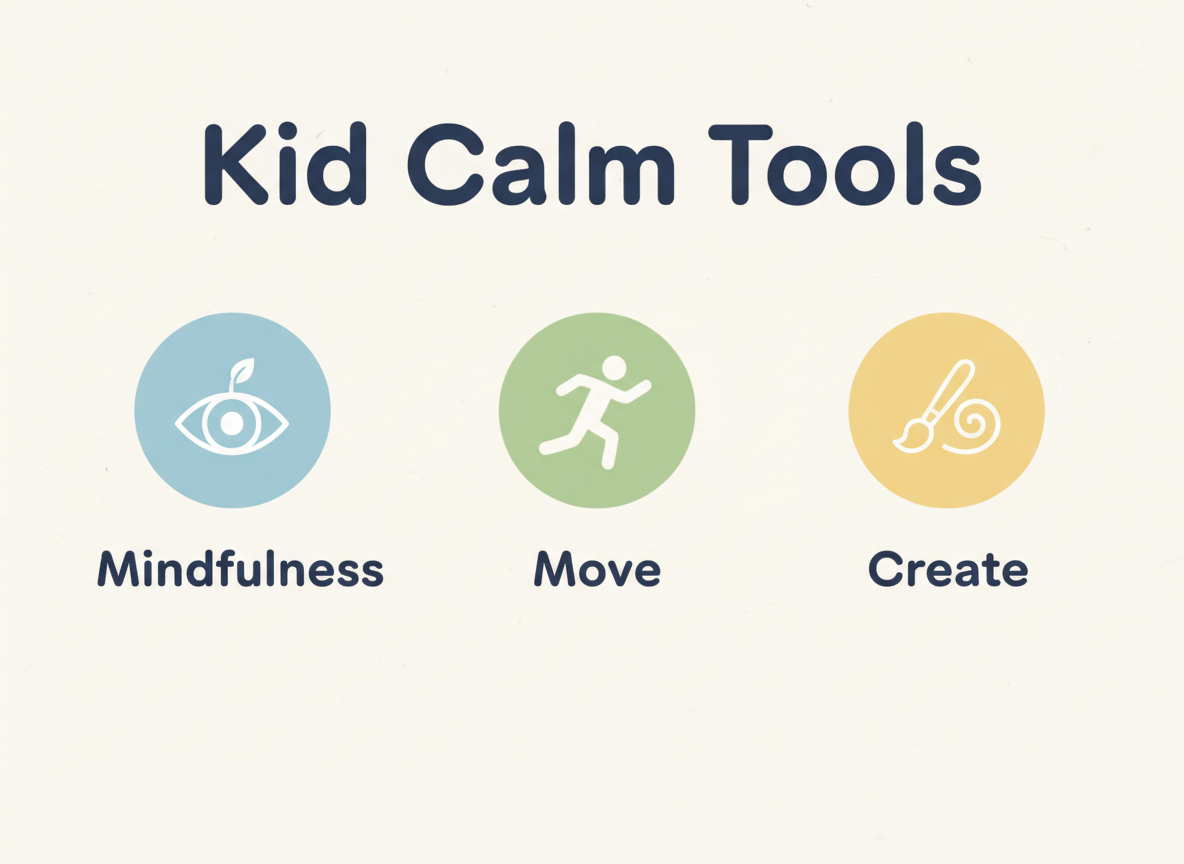
These activities not only provide an outlet for stress but also help children develop resilience. By integrating these techniques into daily life, parents can support their children's emotional health and equip them with tools to handle future challenges.
The Role of Professional Support
While parents play a critical role in supporting their child's emotional regulation, professional support can also be invaluable. Therapists specializing in child psychology can offer tailored strategies to address specific stressors and emotional challenges.
Professional support may include individual therapy, family therapy, or group sessions that focus on building coping skills. These interventions can provide children with a safe space to explore their emotions and develop effective strategies for managing stress.
If your child's stress seems overwhelming, seeking guidance from a professional can make a significant difference. With expert support, children can learn to navigate their emotions more effectively, leading to improved overall well-being.
Finding Support in Tampa
In Tampa, FL, families have access to a range of resources to support children's emotional health, both online and in-person. Engaging with professional services such as those offered by Christian Counseling of Tampa can provide the guidance needed to help children re-regulate after busy or stressful seasons.
Through therapy, children can learn valuable skills for managing stress and emotions. Whether you choose in-person sessions or online therapy, finding the right support is crucial for your child's development.
Consider reaching out to schedule a consultation and begin your child's journey toward emotional balance. By requesting an appointment, you can provide your child with the tools they need to thrive. Connect with our team today to start this important process.
