
Neurofeedback FAQs from Tampa Counseling Clients
Neurofeedback, a cutting-edge approach to mental health care, has become a topic of interest for many seeking alternative therapies in Tampa. With its promise to improve brain function and address various mental health issues, clients often have questions about what neurofeedback entails. Through Christian Counseling of Tampa, individuals can explore this innovative therapy and determine if it aligns with their treatment goals.
Many clients wonder how neurofeedback can support their mental wellness journey, especially when traditional methods haven't provided the desired results. This therapy harnesses the brain's natural ability to heal and adapt, offering a personalized path to recovery. For those considering neurofeedback, understanding the process and potential benefits is crucial.
To learn more about how neurofeedback can be part of your healing journey, explore our page on Micro Current Neurofeedback.
In this blog, we address some of the most frequently asked questions about neurofeedback, helping you make informed decisions about your mental health care. Whether you're curious about the science behind it, the conditions it treats, or what to expect during sessions, this guide provides valuable insights.
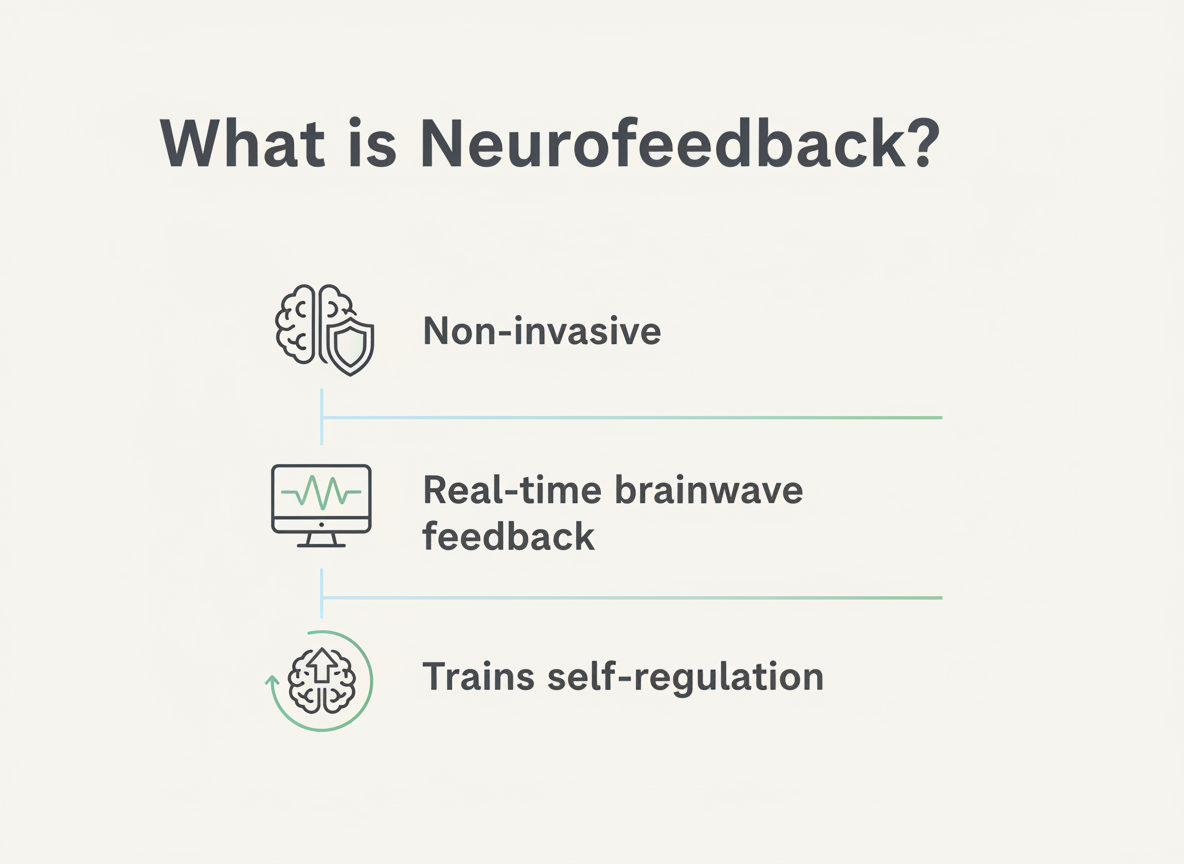
What is Neurofeedback?
Neurofeedback, also known as EEG biofeedback, is a non-invasive therapeutic technique that helps individuals learn how to regulate their brain activity. By monitoring brain waves, therapists can provide real-time feedback that allows clients to make adjustments, improving cognitive function and emotional regulation.
This approach is based on the principle that the brain can change its activity patterns. When brain waves are imbalanced, it can lead to various mental health issues. Neurofeedback aims to correct these imbalances, encouraging healthier brain function. It's commonly used to address conditions such as anxiety, depression, ADHD, and sleep disorders.
The process typically involves placing sensors on the scalp to measure brain activity. Clients are then guided through exercises that promote optimal brain function. The feedback received helps reinforce positive changes, leading to improved mental health outcomes. Understanding this process can empower clients to take an active role in their healing journey.
How Does Neurofeedback Work?
The effectiveness of neurofeedback lies in its ability to harness the brain's plasticity. By providing visual or auditory feedback, this therapy allows individuals to understand and control their brainwave activity better. Over time, this can lead to significant improvements in mental health.
During a session, clients are connected to a computer using sensors that measure brainwave activity. As brainwaves are monitored, the computer displays this information through visual patterns or sounds. Clients are encouraged to focus on these patterns, learning to modify their brain activity in real-time.
By continuously engaging in these sessions, clients can train their brains to achieve desired states, such as relaxation or focus. This practice strengthens the brain's ability to maintain these states independently, offering long-term benefits for mental health. Through consistent practice, neurofeedback becomes a powerful tool for achieving mental well-being.
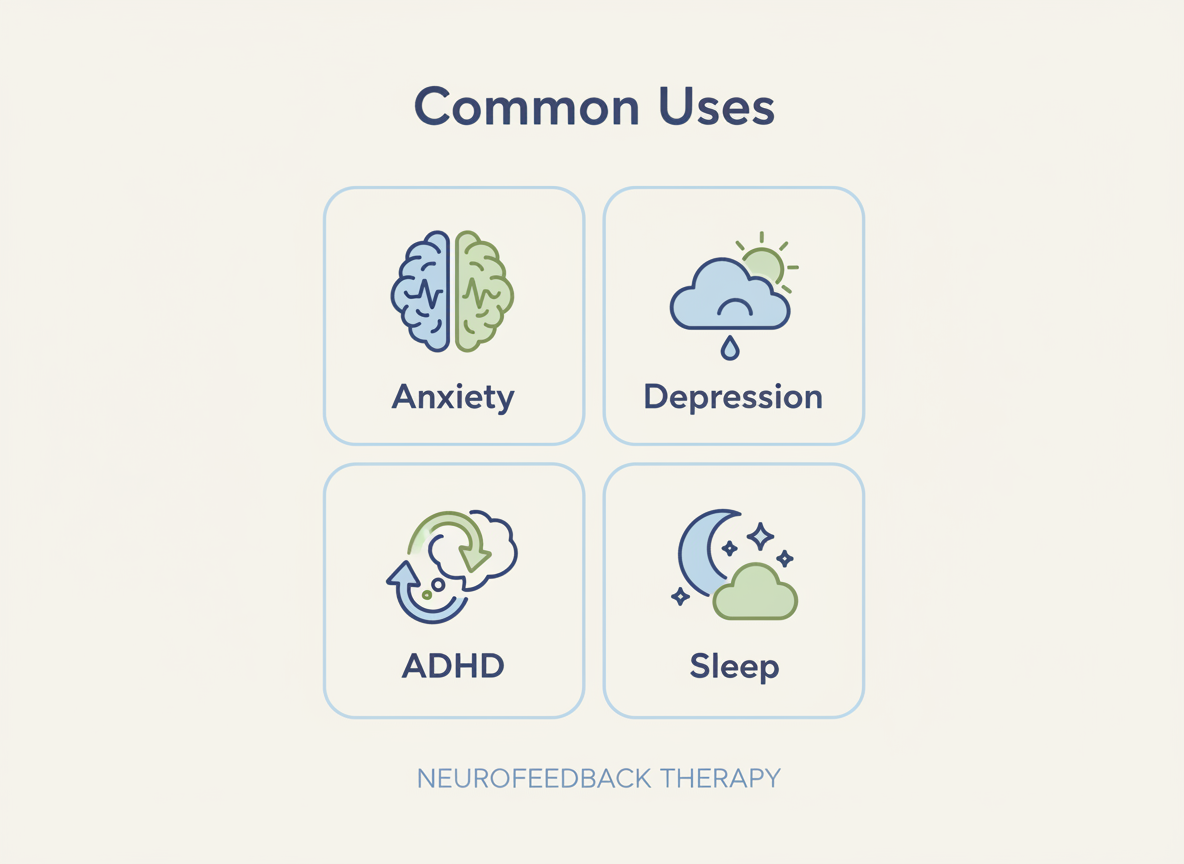
What Conditions Can Neurofeedback Treat?
Neurofeedback therapy can address a wide range of mental health conditions by restoring balance to brainwave activity. Some of the most common issues treated include:
Anxiety: By promoting relaxation and reducing overactive brainwaves, neurofeedback can alleviate anxiety symptoms.
Depression: This therapy helps enhance mood regulation by promoting healthier brainwave patterns.
ADHD: Neurofeedback can improve focus and attention by stabilizing brainwave activity associated with hyperactivity.
Sleep Disorders: By encouraging relaxation and proper sleep patterns, neurofeedback can improve sleep quality.
In addition to these conditions, neurofeedback is also used for stress management and enhancing overall cognitive performance. It's important to discuss your specific needs with a qualified therapist to determine if neurofeedback is suitable for you. By targeting the underlying brainwave imbalances, this therapy offers a holistic approach to mental health care.
What to Expect During Neurofeedback Sessions
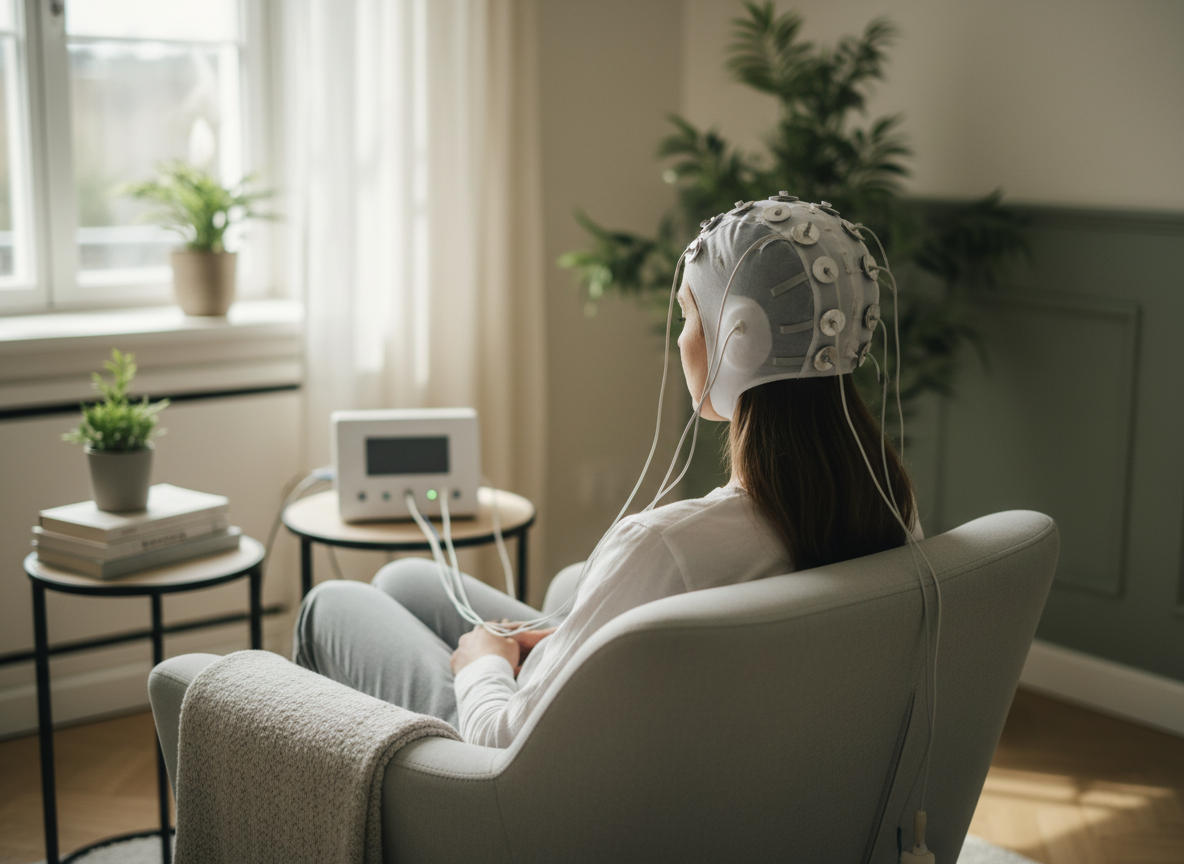
Understanding what happens during a neurofeedback session can help alleviate any concerns about trying this therapy. Here's a brief overview of what you can expect:
Sessions usually begin with a consultation to assess your specific needs and goals. Once a treatment plan is established, sensors are placed on your scalp to monitor brain activity.
During the session, you will receive real-time feedback through visual or auditory cues. This feedback helps you learn how to adjust your brainwave activity effectively. Sessions typically last between 30 to 60 minutes, depending on individual needs.
It's important to approach neurofeedback with an open mind and patience, as improvements may take several sessions to become noticeable. Regular attendance is crucial for achieving the best results. By committing to the process, clients can experience significant improvements in their mental health over time.
Why Choose Neurofeedback?
Neurofeedback offers several appealing benefits for those seeking alternative therapies. Here are a few reasons why it might be a good fit:
Non-Invasive: Neurofeedback is a safe, non-invasive therapy with no known side effects.
Personalized Treatment: Each session is tailored to an individual's specific brain activity and needs.
Long-Term Benefits: Regular sessions can lead to lasting improvements in mental health and cognitive function.
Complementary Therapy: It can be used alongside other therapies for a well-rounded treatment plan.
Choosing neurofeedback is about empowering yourself with a tool that enhances self-regulation and mental health. By understanding the benefits, clients can make informed decisions about incorporating it into their therapy journey.
Starting Your Neurofeedback Journey in Tampa
Embarking on a neurofeedback journey in Tampa opens doors to personalized mental health care. Whether you prefer in-person or online sessions, finding the right therapist is key to your success. By working with our Tampa counselors, you can receive guidance tailored to your unique needs.
At Christian Counseling of Tampa, we offer compassionate support and evidence-based approaches to help you navigate your mental health journey effectively. We invite you to request an appointment to explore neurofeedback and other therapeutic options available at our Tampa locations.
Embrace the opportunity to enhance your well-being through this innovative therapy.
