
Signs Your Child May Need Therapy | Tampa, FL

Children rarely say, “I’m struggling emotionally.” More often, worry, sadness, and overwhelm show up as meltdowns, irritability, stomachaches, or sudden changes at school. It can be confusing for parents, especially when some ups and downs are part of normal development.
Christian Counseling of Tampa offers support that considers a child’s emotional needs, family context, and, when desired, faith-informed care. Therapy is not only for crises, it can also help kids build coping skills before problems grow.
If you are exploring options, it may help to review what child therapy can look like, including how sessions differ by age and how parents are often included. The goal is clarity, not labels, so you can respond with confidence and compassion.
Big Shifts In Mood Or Behavior
Occasional moodiness is normal, but patterns that intensify or linger deserve attention. A child who used to bounce back quickly may begin staying upset for hours, or their “small” reactions may feel out of proportion to the situation.
Look for changes that affect daily functioning. Frequent anger, persistent tearfulness, or a constant “on edge” feeling can signal anxiety, depression, or unmet needs that the child cannot explain yet. Sometimes the change is subtle, like less interest in play, more isolation, or a new fear of being alone.
Consider the timing. A move, divorce, loss, bullying, or a medical issue can lead to emotional shifts that do not resolve on their own. Even positive transitions, like a new sibling, can create stress.
Therapy offers a steady place to sort feelings, practice regulation skills, and build a sense of safety. For parents, it can also provide guidance on what is typical, what is not, and how to respond without escalating conflict.
School And Social Warning Signs
Kids spend much of their lives at school, so distress often shows up there first. A sudden drop in grades, frequent nurse visits, or repeated calls home may be the child’s way of communicating, “Something is wrong.”
Friendships can change quickly, but ongoing conflict or withdrawal is worth noticing. A child who is repeatedly excluded, teased, or anxious in groups may start avoiding social situations altogether.
A few signals that may indicate deeper struggle include:
Refusing school, frequent tardiness, or intense morning distress
Increased complaints of headaches or stomachaches without medical cause
Trouble concentrating, completing work, or following routines
Ongoing peer conflict, bullying involvement, or isolation
Support does not have to wait until a report card or disciplinary referral. Counseling can help children build social skills, address performance anxiety, and process what is happening in their world, especially when school feels like a daily stressor.
Sleep, Appetite, And Body Complaints
Emotional stress often affects the body. Some children have trouble falling asleep, wake frequently, or develop new fears at bedtime. Others sleep more than usual and still seem tired, which can look like “laziness” but may reflect low mood or overwhelm.

Appetite changes can also be a clue. A child may eat far less, eat constantly, or become rigid about food in a way that feels new. While medical causes should be ruled out, it is common for anxiety and sadness to influence eating patterns.
Pay attention to recurring physical complaints, especially when they appear around stressful events. Stomachaches before school, nausea before social activities, or headaches after conflict at home can be the nervous system’s alarm system.
A therapist can help a child connect body signals to emotions and learn calming strategies. Parents often learn practical ways to support sleep routines, reduce power struggles, and respond to complaints with empathy while still setting healthy expectations.
Trauma And Loss Reactions
After a frightening or painful experience, children may act “fine” and still be struggling internally. Trauma can include abuse, accidents, witnessing violence, sudden separations, or repeated exposure to conflict. Grief can follow death, divorce, relocation, or the loss of an important relationship.
Common reactions include re-enacting events in play, startling easily, clinginess, emotional numbing, or intense worries about safety. Some kids become controlling or perfectionistic because it helps them feel less vulnerable.
Therapy can gently support processing without forcing a child to talk before they are ready. Approaches such as EMDR therapy may be appropriate for some children and teens, depending on age and clinical fit.
If your family is navigating bereavement, specialized grief counseling can help children understand loss in developmentally appropriate ways. Support can reduce shame, normalize feelings, and strengthen connection at home.
Family Stress And Parent Support
Children absorb the emotional climate around them. Ongoing tension, unpredictable routines, or frequent arguments can raise a child’s stress level even if adults believe they are “shielding” them. In other cases, a parent’s depression, anxiety, or work strain leaves less capacity for patient, consistent responses.
Therapy can support the whole system, not just the child. It may include parent coaching, family sessions, or coordination around school supports. The focus is often on strengthening attachment, improving communication, and creating calmer patterns at home.
A few family dynamics that commonly benefit from professional support include:
Repeated power struggles that escalate quickly
Co-parenting conflict after separation or divorce
Sibling aggression that feels unsafe or constant
A child taking on “adult” roles, like caregiving or mediating
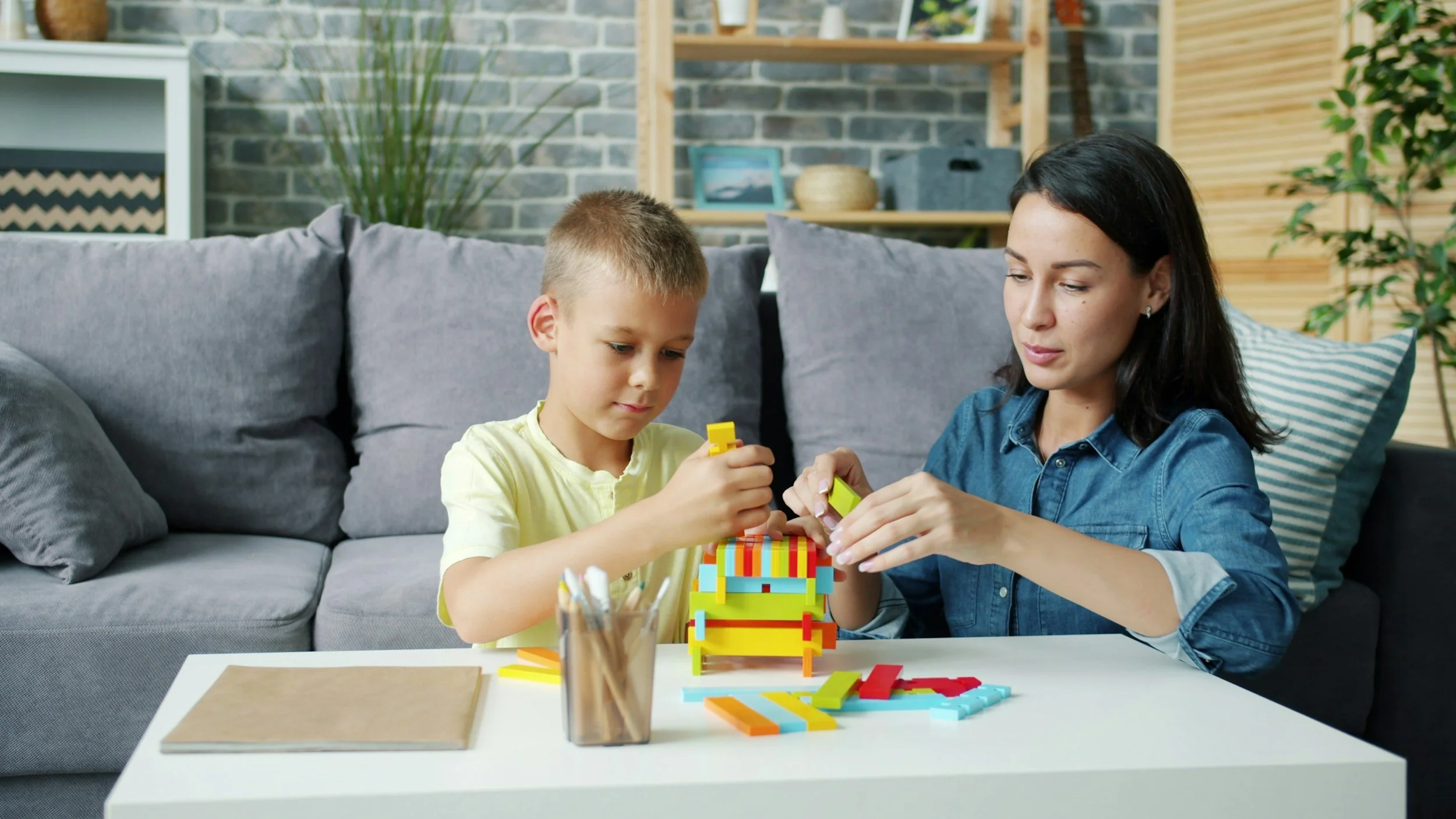
If faith is meaningful to your family, Christian counseling can integrate spiritual resources in a way that respects your preferences and your child’s developmental stage. The aim is practical change, not pressure.
Child Therapy Support In Florida
One key insight to remember is that children often communicate distress through behavior and the body long before they can explain it with words. Noticing patterns early can prevent months or years of struggle from becoming a child’s “new normal.”
For families comparing options, browsing the full list of therapy and counseling services can clarify what support fits best, whether your child needs individual sessions, family work, or help with anxiety or grief.
Christian Counseling of Tampa provides in-person counseling in the Tampa area and online therapy across Florida, making it easier to get consistent care even with busy schedules.
To talk through concerns and request an appointment, you can contact us and share what you are noticing at home and school.
