
Trauma Therapy in Tampa: Faith and Evidence Working Together
Experiencing trauma can impact every aspect of an individual's life, creating challenges that feel insurmountable. However, integrating faith with evidence-based trauma therapy offers a path to healing. At Christian Counseling of Tampa, we believe that combining spiritual guidance with scientifically supported techniques can foster profound recovery.
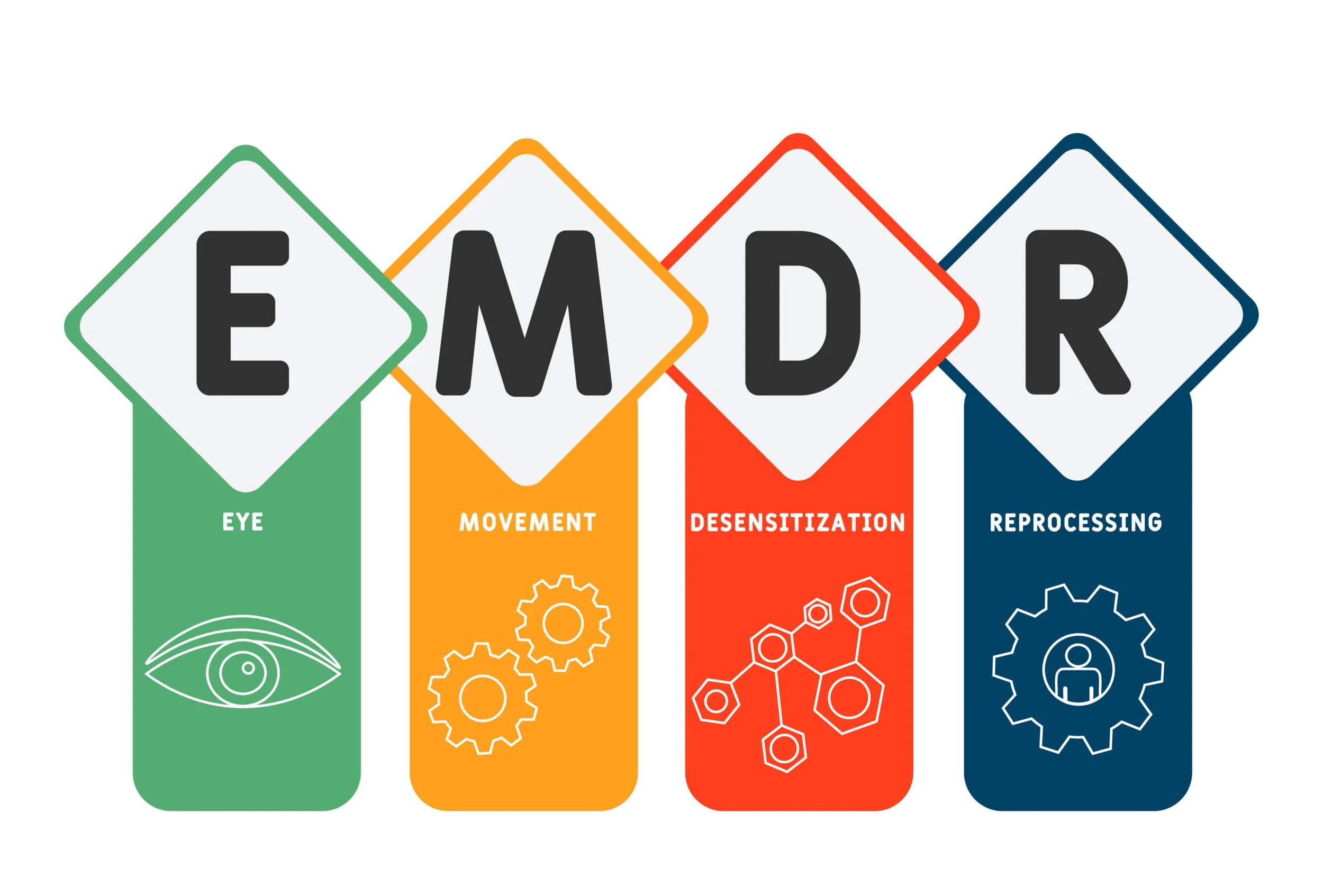
Trauma therapy utilizes various methods to help individuals process and heal from past experiences. Techniques such as Eye Movement Desensitization and Reprocessing (EMDR) are particularly effective. EMDR helps individuals reprocess traumatic memories, reducing their impact. This therapeutic approach, paired with the encouragement of one’s faith, provides a holistic healing experience. Though trauma is a challenging journey, resources like EMDR therapy offer structured paths to recovery.

The Science Behind Trauma Therapy
Understanding the science of trauma therapy is crucial for effective healing. Trauma affects the brain's structure and function, often leading to symptoms like flashbacks, anxiety, and depression. Through evidence-based therapies, individuals can find relief. Techniques like EMDR, Cognitive Behavioral Therapy (CBT), and somatic experiencing target the root of trauma, helping the brain process these distressing memories.
EMDR is a therapy that has gained widespread recognition for its effectiveness. It involves using guided eye movements to help reprocess traumatic memories. This method can reduce the emotional charge of trauma, allowing individuals to move forward. CBT, on the other hand, focuses on changing negative thought patterns that contribute to emotional distress. By understanding these scientific foundations, individuals can better appreciate the therapeutic journey.
Integrating Faith with Therapy
For many, faith plays a critical role in the healing process. Christian counseling integrates spiritual beliefs with therapy techniques, offering a unique support system. This approach respects each person's spiritual journey, allowing faith to guide and strengthen their recovery.
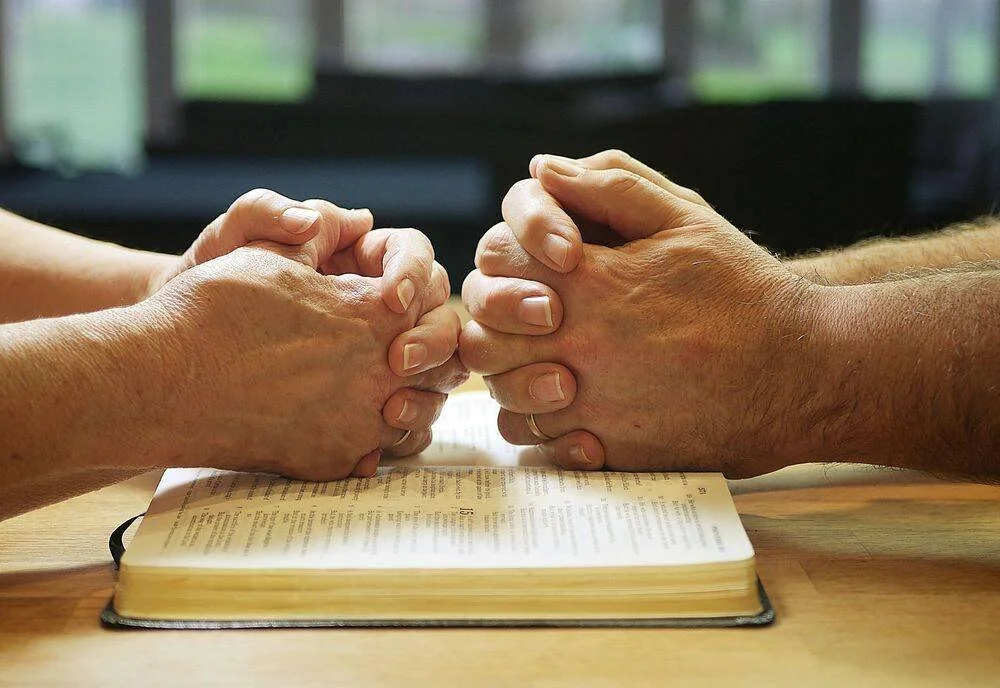
Incorporating faith into therapy can provide comfort and hope. Prayer, scripture reflection, and spiritual discussions are elements that can be included in sessions. These practices can enhance the therapeutic process by aligning spiritual and emotional healing. Acknowledging the role of faith not only respects client beliefs but also enriches the recovery process, making therapy more personalized and meaningful.
Practical Steps for Trauma Recovery
Embarking on the journey of trauma recovery involves several practical steps. While therapy is a key component, there are additional actions individuals can take to support their healing journey. Here are some strategies to consider:
Engage in Regular Therapy: Consistent sessions with a trauma-informed therapist can provide structured support.
Practice Mindfulness: Techniques like meditation and deep breathing can help manage stress and promote calm.
Create a Support Network: Building a community of understanding friends and family can offer emotional support.
Set Realistic Goals: Break the healing journey into manageable steps to maintain motivation and track progress.
Incorporate Spiritual Practices: Engaging in prayer or scripture reading can provide spiritual reinforcement.
These steps, when combined with professional therapy, can enhance the overall healing process, providing a comprehensive approach to recovery.
EMDR: A Key Component of Trauma Therapy
EMDR stands out as a pivotal component in trauma therapy, blending seamlessly with faith-based approaches. This method involves structured sessions where clients focus on specific traumatic events while following guided eye movements. Over time, this process can aid in desensitizing distressing memories and fostering a sense of resolution.
Clients often report significant emotional relief and a reduction in trauma-related symptoms after engaging in EMDR sessions. The technique's ability to reprocess traumatic memories without extensive verbal recounting makes it accessible for many who find traditional talk therapy challenging. As a result, EMDR can be a cornerstone in the therapeutic journey, providing a powerful tool for healing.
The Role of Community Support
Community support plays an integral role in trauma recovery. Engaging with others who understand or share similar experiences can provide a sense of belonging and understanding. Support groups, whether in-person or online, offer spaces for individuals to share their journeys and find encouragement.
Participating in church groups or faith-based communities can also reinforce recovery. These communities can offer spiritual guidance, prayer support, and practical assistance. Knowing that one is not alone in their journey can significantly enhance the healing process. Encouraging community involvement is crucial in fostering a supportive environment for those recovering from trauma.
Finding Trauma Therapy Support in Tampa
Accessing trauma therapy in Tampa can be an essential step toward recovery. Christian Counseling of Tampa provides both in-person and online services, ensuring that support is accessible and tailored to individual needs. By blending faith with evidence-based techniques, we offer a holistic approach to healing.
If you are located in Tampa and seeking support, consider reaching out for Christian counseling. Our therapists are equipped to guide you through recovery, offering comfort and expertise. Begin your journey by visiting our contact page to schedule a session. Healing is possible, and with the right support, individuals can find renewed hope and peace.
