
College Counseling Near USF: Managing Stress and Loneliness
Navigating college life can be both exhilarating and challenging, especially for students who are grappling with stress and loneliness. The University of South Florida (USF) offers a diverse and vibrant environment, yet the pressures of academic demands, social dynamics, and personal growth can sometimes feel overwhelming. For many students, these factors can lead to feelings of isolation and anxiety. Seeking college counseling can be an invaluable step in managing these emotions, providing a safe space to explore and address personal challenges.

At Christian Counseling of Tampa, we understand the unique struggles that students face during their college years. Our counselors are equipped to support students in developing effective coping strategies and fostering resilience. Whether through individual therapy or group sessions, counseling offers an opportunity to learn healthy ways of managing stress and building connections. Additionally, exploring counseling for college students can enhance personal growth and academic success.
Understanding the importance of mental well-being is crucial for navigating the complexities of college life. Embracing support through counseling allows students to gain insights into their emotions and develop practical skills to handle stress and loneliness. By addressing these issues early on, students can build a solid foundation for fulfilling college experiences and beyond.
Recognizing Signs of Stress and Loneliness
College students often experience a range of emotions, from excitement to anxiety. Recognizing the signs of stress and loneliness is the first step towards managing these challenges. Stress can manifest as physical symptoms like headaches and fatigue, or emotional symptoms such as irritability and restlessness. Loneliness, on the other hand, might present as feelings of isolation, sadness, or a lack of motivation.
It's important for students to be mindful of these symptoms and seek help when needed. Engaging in activities that promote relaxation, such as meditation or exercise, can alleviate stress. Additionally, fostering social connections through clubs or study groups can mitigate feelings of loneliness. By being proactive in addressing these signs, students can create a more balanced and fulfilling college experience.
Developing Healthy Coping Strategies
Finding effective ways to cope with stress and loneliness is essential for college students. Developing healthy coping strategies can provide students with the tools needed to navigate challenges with confidence. Here are some practical strategies to consider:
Mindfulness Practices: Techniques such as meditation and deep breathing can help center the mind and reduce stress.
Time Management: Prioritizing tasks and setting realistic goals can prevent overwhelm and promote a sense of control.
Physical Activity: Regular exercise releases endorphins, which can improve mood and reduce feelings of loneliness.
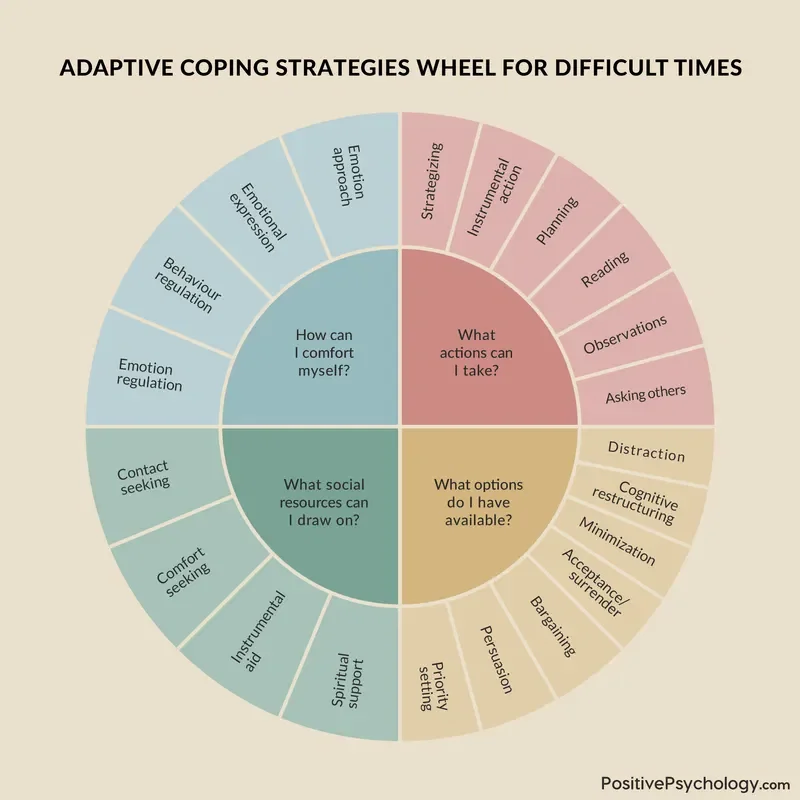
Implementing these strategies can empower students to take charge of their mental health. By incorporating mindfulness, effective time management, and physical activity into their routines, students can foster resilience and enhance their overall well-being.
Building Supportive Relationships
Creating and maintaining supportive relationships is a vital component of managing stress and loneliness. College is a time for forming new friendships and strengthening existing ones. Building a network of supportive peers can provide a sense of belonging and a valuable support system.
Encouraging open communication and empathy within these relationships is key. Participating in campus events, joining clubs, or engaging in volunteer work are great ways to meet like-minded individuals. Remembering that everyone experiences stress and loneliness at times can also foster connections, as shared experiences often lead to deeper bonds.
Embracing Self-Compassion
Practicing self-compassion is an essential aspect of managing stress and loneliness. Many students struggle with self-criticism, which can exacerbate feelings of isolation and anxiety. Through self-compassion, students learn to treat themselves with kindness and understanding, especially during challenging times.
This approach involves acknowledging one’s own struggles without judgment and offering oneself the same care and concern as a friend. By embracing self-compassion, students can reduce self-imposed pressure and develop a healthier self-image. This shift in perspective not only alleviates stress but also enhances emotional resilience.
Utilizing Campus Resources

Universities like USF often provide a wealth of resources to support student mental health. Taking advantage of these services can significantly impact stress and loneliness management. Counseling centers, student health services, and peer support groups are valuable assets.
Engaging with these resources can offer guidance and support tailored to the unique challenges of college life. Whether it's through individual therapy, workshops, or group counseling, students have access to a variety of options to address their mental health needs. Utilizing these resources empowers students to take proactive steps towards improving their well-being.
Finding Your Path to Balance and Connection
If you're a student near the University of South Florida seeking support, consider exploring the opportunities available at Christian Counseling of Tampa. Our services, both online and in-person, are designed to address the unique challenges of college life in Tampa, FL. By connecting with our experienced counselors, you can gain the skills and support necessary to manage stress and loneliness effectively.
Investing in your mental health is a crucial step towards a fulfilling college experience. Whether you're dealing with anxiety, loneliness, or other challenges, seeking professional guidance can make a significant difference.
Reach out today through our contact page, and begin your journey to a balanced and connected college life.
