
EMDR vs. ART in Tampa: Which Fits Your Healing Goals?
In the realm of trauma therapy, both Eye Movement Desensitization and Reprocessing (EMDR) and Accelerated Resolution Therapy (ART) have emerged as powerful methods for healing. Each technique offers a unique approach to addressing trauma, providing individuals with the opportunity to find relief and reclaim their lives. Understanding the differences between these therapies can help you determine which might be the best fit for your healing journey in Tampa.
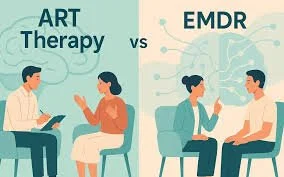
At Christian Counseling of Tampa, we recognize the importance of choosing the right therapeutic approach. Both EMDR and ART are available to help you navigate your trauma with professional guidance. Learn more about trauma therapy to explore these options further.
Therapy is a personal journey, and what works for one person may not work for another. Thus, understanding the nuances of each method is crucial. Whether you're looking for the structured stages of EMDR or the visual and memory-based approach of ART, these therapies provide distinct pathways to healing.
Understanding EMDR Therapy
Eye Movement Desensitization and Reprocessing (EMDR) is a structured therapy designed to help individuals process traumatic memories. This method involves eight phases, each building upon the previous to facilitate healing. In EMDR, clients are guided to revisit distressing memories while engaging in bilateral stimulation, such as guided eye movements, to reduce the impact of the trauma.
The goal of EMDR is to help reprocess traumatic memories so they no longer hold the same emotional charge. Through this reprocessing, clients can integrate these memories into their broader life narrative in a healthier way. The structured nature of EMDR provides a clear roadmap for therapy, making it easier for clients to track their progress.
Although EMDR can be intense, it is highly effective for many individuals. The process requires commitment and active participation, but the results can be transformative. For those who prefer a structured approach with clear phases, EMDR might be the ideal choice.

Exploring the ART Approach
Accelerated Resolution Therapy (ART) offers a different perspective on trauma healing. ART is a form of psychotherapy that utilizes visualization techniques to help clients alter the way traumatic memories are stored in the brain. Unlike EMDR, ART focuses on changing the images and sensations associated with traumatic memories, offering a more targeted approach.
In ART sessions, clients are guided through a series of image replacement exercises, which can alter how the brain processes distressing memories. This process allows for quick relief from symptoms by creating new, less distressing mental images. ART is often praised for its ability to produce rapid results in a relatively short amount of time.
For those who are more visually inclined or prefer a less structured approach, ART may be a more comfortable fit. The focus on visualization and memory alteration offers a unique pathway to healing that is both effective and efficient.
Key Differences Between EMDR and ART
While both therapies aim to address trauma, there are several key differences between EMDR and ART:
Structure vs. Flexibility: EMDR follows a highly structured eight-phase protocol, while ART is more flexible and focused on visualization.
Method of Processing: EMDR uses bilateral stimulation, such as eye movements, to reprocess memories. ART uses image replacement techniques to alter memory storage.
Time Commitment: EMDR often requires a longer commitment for full processing, whereas ART can achieve results more quickly.
Understanding these differences can help you decide which therapy aligns better with your personal healing goals. Consider your preferences for structure, visualization, and time commitment when making your choice.
Benefits of EMDR Therapy
EMDR therapy is renowned for its long-lasting effects and comprehensive approach to trauma healing. The eight-phase process ensures that clients not only address traumatic memories but also develop coping mechanisms for future challenges.
One significant benefit of EMDR is its ability to integrate memories into a person's life narrative, reducing their emotional charge. This integration helps clients feel more in control of their memories and less overwhelmed by past traumas. Additionally, EMDR is backed by extensive research, highlighting its effectiveness in treating PTSD and other trauma-related disorders.
For individuals who value a structured and research-supported therapy, EMDR offers a reliable path to healing. This approach is particularly beneficial for those who have experienced complex trauma or multiple traumatic events.

Advantages of ART Therapy
ART therapy provides a unique and innovative approach to trauma healing, with several advantages:
Rapid Results: Clients often experience symptom relief quickly, sometimes within a few sessions.
Less Intense: ART can be less emotionally intense than traditional talk therapy, making it accessible to those who may struggle with confronting trauma directly.
Visual Focus: The use of visualization provides a creative outlet for processing memories.
Adaptability: ART can be tailored to each client's needs, allowing for a personalized therapy experience.
These advantages make ART a compelling choice for individuals seeking a creative and adaptable approach to trauma healing. The focus on visualization and rapid symptom relief can be particularly appealing to those who need immediate results.
Choosing the Right Therapy for You
Selecting between EMDR and ART requires careful consideration of your personal needs, preferences, and goals. Both therapies offer effective paths to healing, but the choice ultimately depends on what resonates with you.
Reflect on your comfort with structured protocols versus flexible approaches. Consider whether you're drawn to visualization techniques or systematic reprocessing methods. Additionally, think about your time commitment and willingness to engage in each type of therapy.
At Christian Counseling of Tampa, we are dedicated to helping you find the therapy that best suits your healing journey. Our experienced therapists are ready to guide you through this decision-making process.
Finding Trauma Therapy in Tampa, FL
Whether you're considering EMDR or ART, the next step is finding a therapist who can support your journey. In Tampa, Fl, both in-person and online therapy options are available to accommodate your needs.
Explore marriage counseling and other therapeutic services offered by Christian Counseling of Tampa to understand how we can assist you. Our goal is to empower you to choose a therapy that aligns with your healing goals, offering support and guidance every step of the way.
Contact us today to begin your path to recovery. Connect with our team via the contact page and take the first step toward healing. Whether you choose EMDR, ART, or another therapeutic approach, we're here to help you navigate your trauma with compassion and expertise.
