
Coping With Seasonal Affective Disorder (SAD)
By: Hope Shenk
As the days grow shorter and sunlight fades, many people notice changes in mood, energy, and motivation. If you find yourself feeling down, fatigued, or disconnected during the winter months, you’re not alone. This experience, known as Seasonal Affective Disorder (SAD), affects millions each year-but there is hope, and you don’t have to face it alone.
What Is Seasonal Affective Disorder?
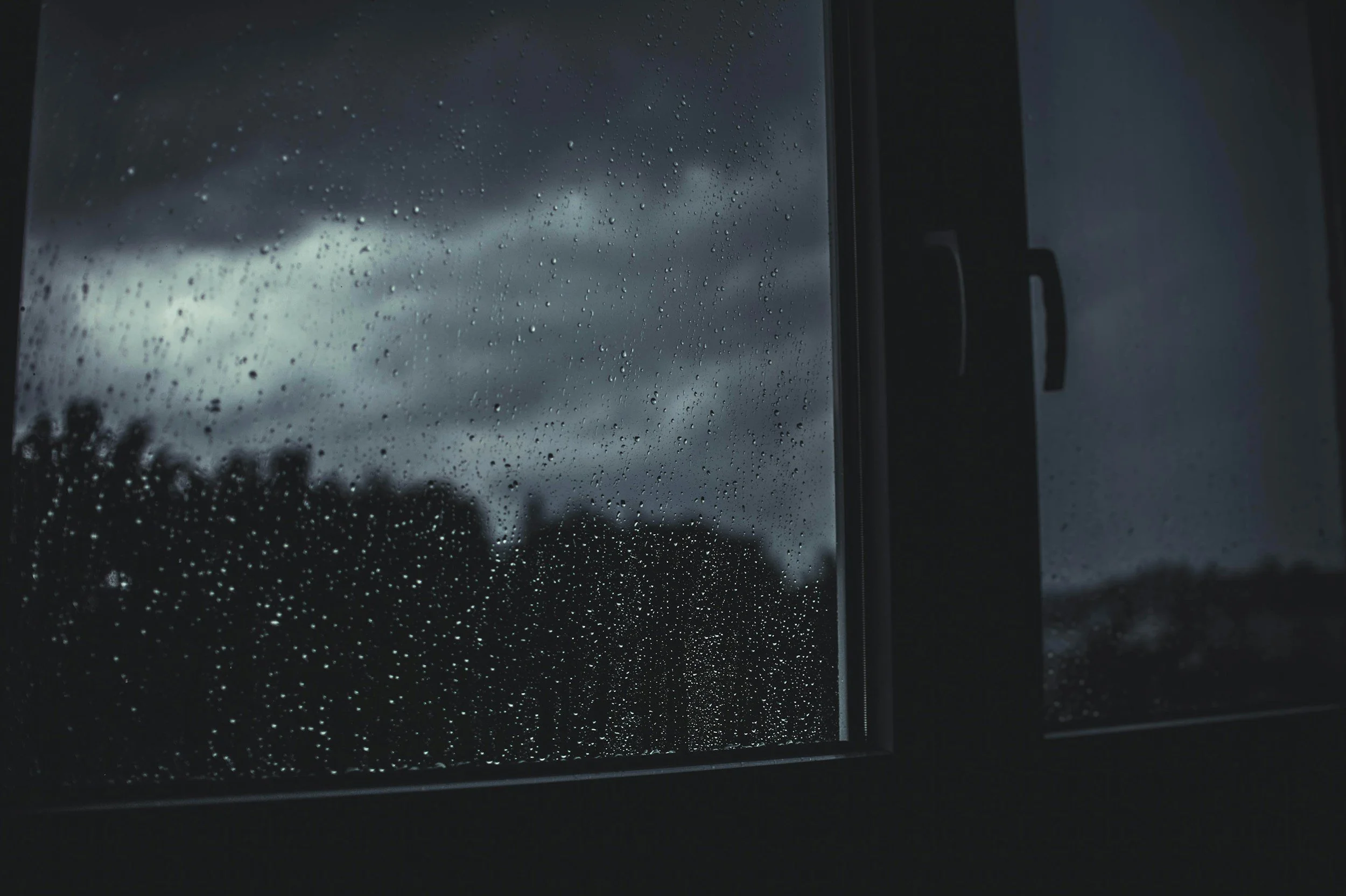
SAD is a form of depression that follows a seasonal pattern, most commonly beginning in late fall and continuing through winter. According to the National Institute of Mental Health (NIMH), symptoms usually last 4-5 months out of the year. While most people experience winter-pattern SAD, some may have symptoms in the spring or summer (summer-pattern SAD), though this is less common.
Signs and Symptoms
Persistent sadness or low mood
Loss of interest in activities
Fatigue and low energy
Difficulty concentrating
Changes in sleep or appetite (often oversleeping and craving carbs in winter-pattern SAD)
Withdrawal from friends and family
Feelings of hopelessness or worthlessness
SAD is more than just “winter blues”- it can significantly impact daily life. If symptoms persist, it’s important to seek professional support.
Who Is at Risk?
SAD can affect anyone, but it’s most common in women, young adults, and people with a family history of depression or other mental health conditions. It’s also more likely for those living farther north, where daylight hours are shorter in winter. People with a history of depression, bipolar disorder, anxiety, or certain other mental health challenges may be at higher risk.
What Causes SAD?
Researchers believe several factors contribute:
Reduced Sunlight: Disrupts the body’s internal clock (circadian rhythm) and reduces serotonin, a brain chemical that affects mood.
Melatonin Changes: Less daylight can increase melatonin, causing sleepiness and disrupting sleep patterns.
Vitamin D Deficiency: Less sunlight means less vitamin D, which may play a role in serotonin activity.
Negative Thoughts: People with SAD may experience increased negative thoughts about the season or its limitations, which can intensify symptoms.

How Is SAD Treated?
Treatment options, often used in combination, include:
Light Therapy: Sitting in front of a special light box (10,000 lux) for 30-45 minutes each morning can help reset your body’s clock and improve mood. Always consult your doctor before starting.
Psychotherapy: Cognitive Behavioral Therapy (CBT), especially CBT-SAD, helps you identify negative thought patterns and develop coping skills. Therapy may include behavioral activation-planning enjoyable activities to counteract withdrawal.
Medication: Antidepressants, such as selective serotonin reuptake inhibitors (SSRIs) or bupropion, may be prescribed, especially for severe symptoms.
Vitamin D Supplements: May help if you’re deficient, though research is mixed. Always check with your provider.
Early treatment-sometimes started before symptoms begin-can help prevent or reduce the impact of SAD.
Faith-Based Approaches to Coping
While science explains the causes, faith offers hope and resilience.
Daily Prayer & Reflection: Spend intentional time with God each day, bringing your struggles and hopes to Him.
Stay Connected: Isolation can worsen symptoms-reach out to your church, small group, or a trusted friend.
Practice Gratitude: Keep a journal of small blessings, even on hard days.
Practical Strategies for Managing SAD
Seek Sunlight: Get outdoors during daylight hours, or sit near a window when possible.
Move Your Body: Gentle exercise, even a daily walk, can boost your mood.
Stick to a Routine: Regular sleep, meals, and activity help anchor your days.
Limit Negative Inputs: Reduce time spent on distressing news or social media.
Professional Support: Don’t hesitate to reach out to a counselor if symptoms persist or worsen.

You’re Not Alone in Tampa, FL
If you’re struggling with SAD, know that support is available. Christian Counseling of Tampa offers compassionate, faith-based therapy that can help you find the light in the darker months. Our experienced counselors understand the unique challenges of maintaining faith and emotional health in today's troubled world.
Whether through one-on-one sessions or via family counseling, we’ll work with you to find peace. Schedule a free consultation today and discover the support you deserve. Our team of caring therapists would be happy to offer support from our Tampa, FL-based therapy practice. You can receive the support you deserve by following these simple steps:
OTHER SERVICES OFFERED WITH CHRISTIAN COUNSELING OF TAMPA
At Christian Counseling of Tampa we offer many services by our Tampa, FL-based practice. Our team is happy to offer a variety of services in support of your mental health. Other services offered include child therapy, premarital counseling, Christian counseling, therapy for anxiety, marriage intensives, trauma, and therapy for depression. We use a variety of treatment modalities including CBT, EFT, grief therapy, and more! Feel free to learn more about us by visiting our FAQ or blog today!
You don’t have to face the winter blues alone-hope and healing are possible, one step at a time.
