
Neurofeedback FAQs in Tampa: Anxiety, Sleep, and Focus
Neurofeedback is emerging as a promising therapy for individuals struggling with anxiety, sleep disturbances, and focus issues. This innovative approach harnesses the power of technology to help retrain the brain, offering potential relief for those seeking alternative or complementary treatments. Christian Counseling of Tampa offers this evidence-based therapy, aiming to improve mental health and well-being.

Neurofeedback can be an excellent option for those who have tried traditional methods but are still searching for effective solutions. It's a non-invasive technique that may help individuals manage symptoms more effectively.
Learn more about anxiety treatment and how neurofeedback can play a role in your recovery journey.
What is Neurofeedback?
Neurofeedback, also known as EEG biofeedback, is a form of brainwave training that aims to teach self-regulation of brain function. It involves monitoring brain activity and providing real-time feedback to the individual. This feedback helps the brain learn to function more optimally by reinforcing positive brainwave patterns and reducing negative ones.
During a session, electrodes are placed on the scalp to measure brainwave activity. The information is then displayed on a screen, allowing the individual to see their brainwaves in action. By engaging with this feedback, individuals can learn to influence their brain activity, often leading to improvements in conditions like anxiety, insomnia, and attention deficits.
Neurofeedback is grounded in the understanding that the brain can change and adapt throughout a person's life, a concept known as neuroplasticity. By fostering healthier brainwave patterns, neurofeedback can facilitate better emotional regulation and cognitive functioning.
How Does Neurofeedback Help with Anxiety?
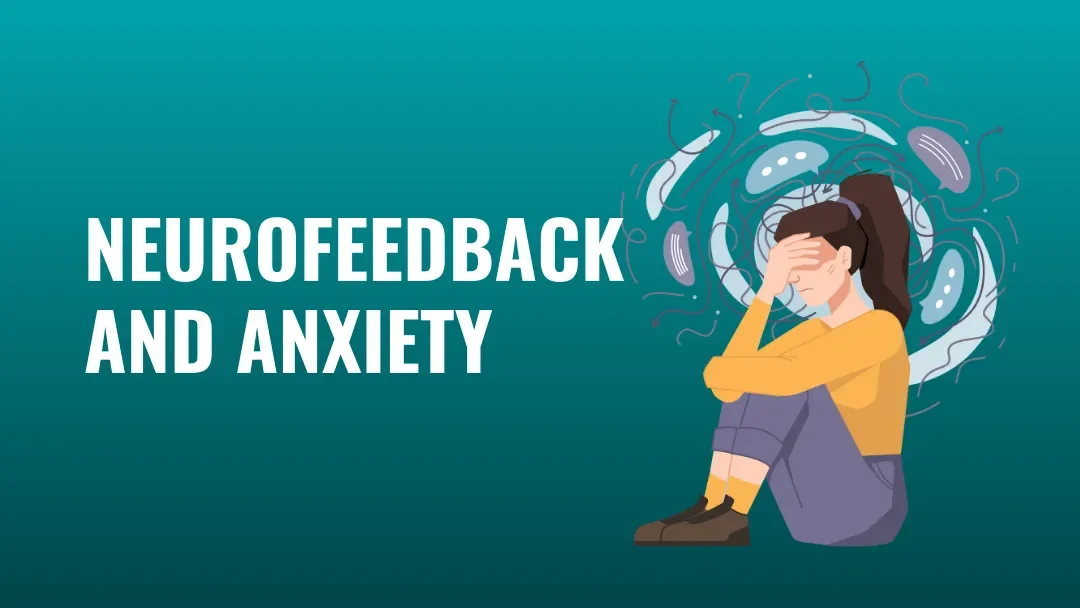
Anxiety often manifests as a result of dysregulated brainwave activity. Neurofeedback targets these irregular patterns by promoting stability and balance in brain function. Through repeated sessions, individuals can train their brains to maintain a calmer state, reducing anxiety symptoms over time.
Enhancing self-awareness of anxious thoughts and triggers
Promoting relaxation and stress reduction
Improving emotional regulation and resilience
By reinforcing healthy brainwave activity, neurofeedback can help individuals develop coping mechanisms that support long-term anxiety management. Over time, this may lead to decreased reliance on medication and improved overall mental health.
Can Neurofeedback Improve Sleep?
Sleep issues can significantly impact daily life, contributing to fatigue, irritability, and difficulty concentrating. Neurofeedback offers a potential solution by addressing underlying brainwave imbalances that may disrupt sleep patterns.
During neurofeedback for sleep, the focus is on promoting brainwave patterns associated with relaxation and restful sleep. Key outcomes often include:
Increased ability to fall asleep and stay asleep
Enhanced quality of sleep, leading to better rest
Reduced symptoms of insomnia and sleep disturbances
Neurofeedback can be a valuable tool for those struggling with chronic sleep problems, providing a non-pharmacological approach to achieving restful slumber.
How Does Neurofeedback Enhance Focus?
Attention and focus are crucial for productivity and success in many areas of life. Neurofeedback can be particularly beneficial for individuals experiencing difficulty concentrating, such as those with ADHD or similar challenges.
By targeting specific brainwave frequencies associated with focus and concentration, neurofeedback helps train the brain to maintain a state conducive to attention. Benefits of neurofeedback for focus include:
Improved attention span and concentration
Enhanced ability to complete tasks without distractions
Increased productivity and efficiency
This form of therapy offers a personalized approach to improving focus, supporting individuals in achieving their personal and professional goals.
Who Can Benefit from Neurofeedback?
Neurofeedback is a versatile therapy suitable for a wide range of individuals. It can be particularly beneficial for those who have not found success with other treatments or who prefer non-medication options. Here are some groups who may find neurofeedback helpful:
Individuals with anxiety disorders
Those suffering from chronic sleep issues
People experiencing attention and concentration challenges
Children and adults seeking alternative therapies
By addressing the root causes of these issues, neurofeedback can empower individuals to regain control over their mental health and improve their quality of life.
What to Expect During a Neurofeedback Session
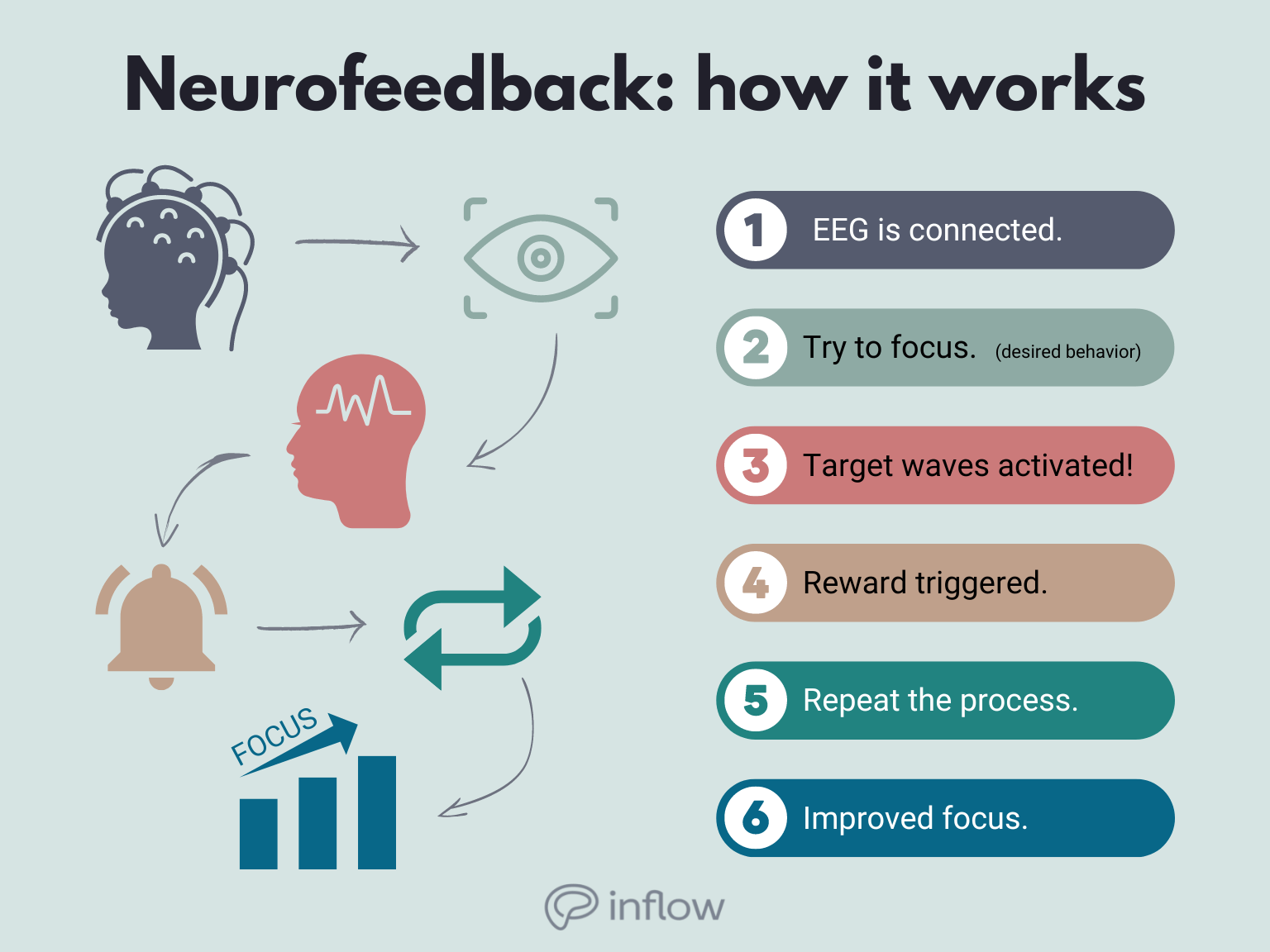
Understanding the process of neurofeedback can ease any apprehensions about trying this therapy. Sessions are typically conducted in a calm and supportive environment, ensuring comfort and ease for participants.
Here's what you can expect during a session:
Initial assessment to tailor the therapy to your needs
Placement of electrodes to monitor brain activity
Real-time feedback displayed visually or audibly
Sessions are often relaxing, with many participants reporting immediate feelings of calm and focus. Over time, these sessions can lead to significant improvements in symptoms related to anxiety, sleep, and focus.
Taking the Next Step with Neurofeedback in Tampa
If you're in Tampa and interested in exploring neurofeedback, Christian Counseling of Tampa provides both in-person and online options to suit your needs. Neurofeedback can be integrated into broader treatment plans for conditions like anxiety or sleep issues. Consider our counseling services to learn more about how we can support your mental health journey.
Christian Counseling of Tampa is committed to offering compassionate and effective care, empowering you to take control of your mental health.
To start your journey with neurofeedback and explore its benefits, reach out to us and schedule a consultation. Whether you are seeking in-person or virtual sessions in Tampa, FL, our team is here to support your path to well-being.
